A conservatory is often the brightest room in the house and, strangely, one of the least settled. It may begin life with a pair of inherited chairs, become a holding place for plants and laundry, then sit unused whenever the temperature changes. A thoughtful conservatory seating transformation changes that pattern. It turns a room at the edge of the home into somewhere to read in the morning, gather after supper or simply enjoy the garden without stepping outside.
The most successful schemes do not begin with a search for more furniture. They begin with the life the room needs to support. A peaceful retreat for two calls for a different arrangement from a family garden room used every day. Once that is clear, seating, materials and finishing touches become easier to choose - and more likely to remain right for the space in years to come.
Start with how the room will be used
Before measuring up, spend time in the conservatory at different points of the day. Notice where the light falls, which doors need clear access and whether the best garden view is visible from a seated position. These details influence comfort far more than a floor plan alone.
For a room used for quiet moments, two generous armchairs with a small table between them can feel more inviting than a large suite. Position them at a gentle angle rather than facing directly forward, so conversation comes naturally while the view remains part of the experience. If the conservatory needs to work as an additional sitting room, a sofa paired with occasional chairs gives more flexibility and avoids the formal appearance of matching seating lined around every wall.
Where the room is shared by family and friends, consider the route through it as carefully as the number of seats. A conservatory often connects the house and garden, so furniture should create a place to pause without making the room feel like an obstacle course. Allow a clear path to French doors, bifolds or a side entrance, and choose tables with softened corners where circulation is tight.
Choose a natural foundation for your seating
Natural rattan and cane have long belonged in light-filled spaces for good reason. Their woven character brings warmth to rooms with glass, tiled floors and painted brick, while their lighter visual weight helps seating feel at home rather than overbearing. The material also has a quality that changes gently with the daylight, lending texture and depth even to a simply furnished room.
A natural rattan frame can suit many interiors. In a country home, it sits comfortably alongside timber, linen and botanical planting. In a newer extension, it softens cleaner lines and brings a sense of craft to a room that might otherwise feel architectural. The key is not to treat it as a nostalgic choice, but as a lasting material with a place in modern living.
Comfort should guide the final decision. Look for well-proportioned arms, supportive seat construction and cushions that invite a long afternoon rather than a brief perch. UK-made cushions offer a particularly considered finish, with fabric choices that allow the furniture to sit naturally alongside the colours already present in your home.
There is a practical balance to strike. A conservatory that receives strong sun benefits from thoughtful window shading, both for everyday comfort and to help preserve fabrics. If the room becomes cool in winter, use layered textiles and ensure seating is not pressed against chilly glazing. Furniture can make the space feel more welcoming, but it works best alongside sensible heating, ventilation and shading.
Build the room around one comfortable arrangement
A conservatory seating transformation is rarely improved by filling every corner. Give each piece room to breathe and let one arrangement lead the room. This may be a sofa facing the garden, two chairs drawn towards a coffee table, or a compact corner group that makes a modest footprint feel purposeful.
For narrow conservatories
In a long, narrow room, avoid deep seating on both sides unless the width genuinely allows it. A two-seater sofa or compact loveseat against the solid wall, paired with one or two lighter chairs, usually creates a better sense of flow. A round side table is often more useful than a large central coffee table, particularly where people need to pass through the room.
For square rooms and orangeries
A squarer room can take a more sociable arrangement. Place a sofa as an anchor, then bring in armchairs that can face both the sofa and the garden. This creates a conversation area rather than a row of seats looking outward. A central table gives the composition purpose, whether it holds coffee, books or flowers cut from the garden.
For garden rooms used all year
A garden room may have more insulation and a closer relationship with the main house, which gives you scope to furnish it like a proper living room. Combine relaxed seating with a footstool that can serve as an extra perch, and use a console or storage piece to keep throws, games and reading material close by. The aim is for the room to be ready for ordinary Tuesday evenings, not only sunny weekends.
Let colour and texture do the quiet work
The strongest conservatories tend to take their cue from what lies beyond the glass. Soft greens, warm stone, muted blue and earthy neutrals create an easy transition between house and garden. They need not be literal matches to the planting outside. A fabric with a gentle botanical tone or a plain woven texture can be enough to establish the connection.
Start with the larger upholstered pieces, then layer colour through cushions, a throw and a rug. This approach makes seasonal changes simple: lighter linens and fresh greens for spring and summer, deeper olive, rust or ochre accents when evenings draw in. A rug is especially valuable on hard flooring, helping to define the seating area and reduce the echo that can make glazed rooms feel less restful.
Do not overlook the effect of a well-placed lamp. Conservatories often look beautiful in daylight but lose their atmosphere after dark. Table lamps placed beside seating create pools of warm light and make the room feel connected to the rest of the home. Choose shades that soften the glow rather than exposing a bare bulb against the glass.
Add pieces that earn their place
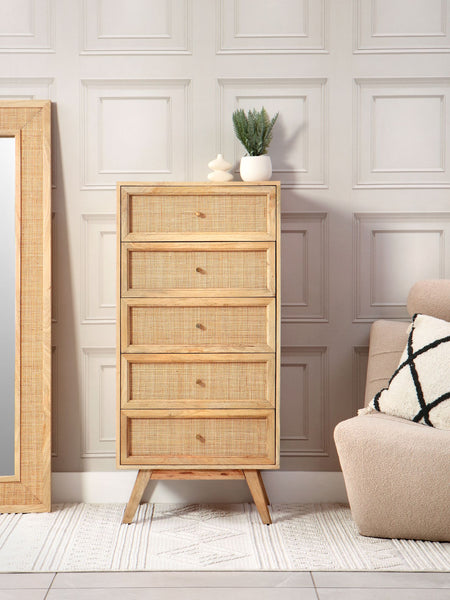
Every item in a conservatory should have a purpose. A side table provides somewhere for a cup of tea or a book. A footstool introduces comfort and can be moved easily when guests arrive. A slim storage cabinet keeps the practical essentials out of sight, preventing the room from returning to its role as an overflow space.
Plants are equally important, but they are most effective when treated as part of the furnishing scheme rather than scattered as an afterthought. Grouping plants at different heights gives a conservatory depth and makes the boundary between interior and garden feel more relaxed. Leave enough open surface around seating, however. The room should feel planted, not crowded.
This is also the moment to be honest about what does not belong there. Exercise equipment, unopened parcels and surplus dining chairs can gradually undo an otherwise considered room. Creating a dedicated home for those items elsewhere may be the simplest and most effective part of the transformation.
Invest where it makes a difference
A room used frequently deserves seating made for regular use. Quality is visible in the proportions of the frame, the finish of the weave, the support beneath the cushions and the ability to refresh the look with fabric over time. These details matter because a conservatory asks more of furniture than a rarely used corner of the home: changing light, changing temperatures and daily contact with family life.
Desser Furniture has spent more than a century working with natural rattan and understands the value of selecting pieces for the room, rather than buying in isolation. Requesting fabric swatches before committing can be especially worthwhile in a conservatory, where daylight can alter the appearance of colour considerably from morning to evening.
A considered purchase may also mean buying less. One comfortable sofa and two beautifully made chairs will usually serve a room better than a crowded collection of occasional seating. If budget or timing requires a staged approach, begin with the principal seats and table, then introduce lighting, textiles and storage once the room has found its rhythm.
The final measure of a successful conservatory is not how finished it looks on the day the furniture arrives. It is whether, months later, you still choose it for your first coffee, an unhurried conversation or a quiet view of the garden as the light changes.