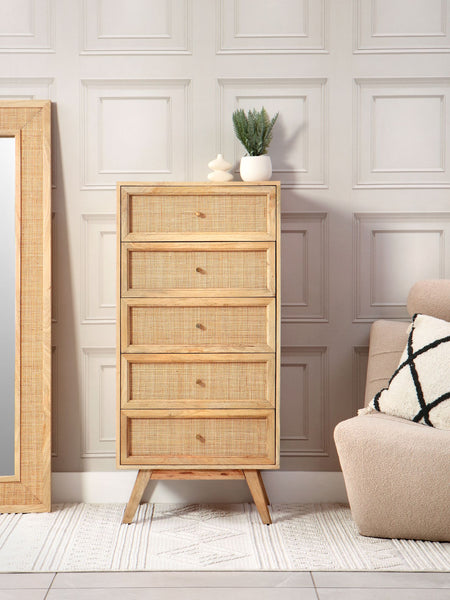
A well-made chair tells its story quietly. It settles into the room, becomes the place someone always chooses for a morning coffee, and still feels right when the walls are repainted and the layout changes. This heirloom furniture buying guide is for choosing pieces with that kind of staying power: furniture made for the way you live now, and with enough integrity to remain part of the home for years to come.
Heirloom furniture is not simply furniture that is old, expensive or formal. It is furniture worth keeping. For a light-filled garden room, conservatory, orangery or extended living space, that means balancing natural beauty with genuine comfort, practical materials and a design that will not tire when the novelty of a new room has passed.
What heirloom furniture really means
The word heirloom can suggest a locked drawing room or a piece preserved for best, but the most successful heirloom pieces are used often. They earn their place through sound construction, pleasing proportions and the ability to become more familiar rather than more dated over time.
Start with the materials. Solid hardwoods, carefully woven natural rattan, cane and durable upholstery tend to offer a more honest foundation than heavily processed alternatives. Their surfaces have variation, texture and character. A woven frame may show the hand of its making; timber may deepen in tone with age. These are not flaws to disguise, but qualities that make a room feel lived in.
Construction matters just as much. Look closely at joints, frame strength, the consistency of woven areas and the way a seat is supported. Furniture should feel steady without being needlessly heavy. Drawers should move cleanly, tables should sit level, and chairs should feel composed when you settle into them. Quality is often found in the details that do not demand attention.
An heirloom furniture buying guide begins with the room
A piece can be beautifully made and still be wrong for its setting. Before falling for a particular silhouette, consider how the room is used across the day and across the seasons. A south-facing garden room has different demands from a snug extension facing the garden, while an orangery used for family lunches needs a different arrangement from a quiet reading space.
Think first about the atmosphere you want to create. Natural rattan and cane bring a lightness that works especially well where daylight, planting and views are part of the room. Their open, tactile character prevents a generous space from feeling overfilled. Upholstered seating can add depth and softness, particularly where the room also serves as an evening living area.
Then consider scale. Garden rooms often have high ceilings, broad glazing and a strong connection to the outdoors, which can make undersized furniture look lost. Equally, oversized seating can interrupt the easy flow between doors, windows and garden views. Measure the footprint, but also leave room to walk around the furniture comfortably. A considered layout always feels more generous than a room filled to capacity.
It helps to picture ordinary life rather than a perfect photograph. Where will a cup of tea rest? Is there somewhere to put a book beside each chair? Will a footstool be more useful than a larger occasional table? These small decisions are often what make a space genuinely welcoming.
Choose materials that improve with use
Natural materials ask for a little understanding, but they offer something far more rewarding than uniformity. Rattan is lightweight, resilient and visually breathable, making it particularly suited to indoor spaces that sit close to the garden. Cane adds fine detail and texture, whether used in panels, chair backs or occasional pieces. Mango wood brings warmth and a sense of substance to tables and storage.
Each material has its own character, so a thoughtful mix usually feels more convincing than trying to match every surface exactly. A rattan sofa with upholstered cushions can sit naturally beside a mango wood coffee table. Soft furnishings then bring the room together through colour, weave and pattern, allowing the space to evolve without replacing its main pieces.
There are practical considerations. Natural rattan furniture is best enjoyed indoors, in dry, well-ventilated rooms. It is ideal for conservatories, garden rooms and orangeries, but it should not be left outside through the changing British weather. In rooms with intense sunlight, thoughtful positioning and suitable window coverings can help protect cushion fabrics and preserve the room's comfort on bright days.
For upholstered pieces, ask about the cushion construction as well as the fabric. Supportive interiors and removable covers can make a meaningful difference to daily use and long-term care. UK-made cushions offer the reassurance of considered workmanship, with the added benefit of being made for real homes rather than simply for display.
Look beyond a matching set
Buying every piece from one range can feel straightforward, but heirloom interiors are rarely built in a single afternoon. A room gains personality when its main furniture shares a common sensibility rather than an identical finish. Repeat a few elements - perhaps warm timber, gently curved arms or natural woven texture - and allow the rest to vary.
This approach also makes future changes easier. If a dining table later moves into an extended kitchen, or an occasional chair finds a new place by a bedroom window, it should still feel at home. Flexible pieces are often the ones that stay with us longest.
Consider which items deserve the greatest investment. Seating is usually the clearest place to begin because it carries the weight of everyday comfort. A well-proportioned sofa or pair of armchairs can anchor a room for many years. Tables and storage should be selected with equal care, particularly if they will see daily use, but they can be introduced gradually as the room finds its rhythm.
Ask the questions that reveal quality
A photograph can show shape and colour, but it cannot tell you how furniture feels to use. If possible, visit a showroom and sit in the chair, test the depth of the sofa and see the materials in natural light. If you are choosing from home, request fabric swatches so you can see how colours respond to your own flooring, walls and daylight.
Before you buy, seek clear answers on the frame material, cushion filling, care guidance, delivery and warranty. These are not minor administrative details. They reveal whether a maker stands behind its furniture and whether the piece is likely to fit comfortably into your life.
It is also worth asking how the furniture will arrive. Large pieces need careful planning, especially in older homes with narrower halls, staircases or tight turns. Measure access as well as the room itself, and consider where packaging can be opened without causing unnecessary disruption.
A premium purchase should feel reassuring rather than complicated. Free delivery, finance options and a clear warranty can support the decision, but they should never substitute for material quality or a design you truly want to live with.
Care is part of ownership
Furniture built to last is not furniture that requires constant fussing, but it does benefit from sensible care. Dust woven frames with a soft brush or vacuum attachment, wipe wood with a lightly damp cloth followed by a dry one, and attend to spills promptly. Follow the fabric care instructions rather than relying on general cleaning products, particularly on natural fibres or textured upholstery.
More importantly, let furniture be used. A home with a little patina, a favourite chair and cushions that invite you to sit down is far more enduring than one kept untouched. Good pieces are made to support daily rituals, from a quiet hour with the papers to a table surrounded by family on a Sunday afternoon.
For more than a century, Desser has worked with the natural textures and relaxed comfort that make these spaces so appealing. When you choose furniture for its materials, workmanship and place in your life, you are not buying for a season. You are giving a room the chance to become part of the family story.