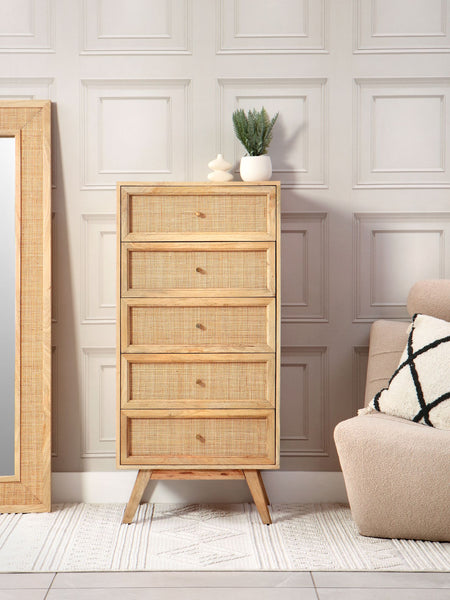
A light-filled garden room is exactly where natural rattan looks most at home. Yet the very things that make these spaces so inviting - generous glazing, warmth and a close connection to the outdoors - mean it is worth knowing how to protect indoor rattan properly. With a little considered care, rattan furniture will retain its warm colour, graceful shape and easy comfort for many years.
Natural rattan is remarkably durable for its lightness, but it is a living, fibrous material. It responds to its surroundings more than metal or heavily lacquered furniture might. Protecting it is less about elaborate treatments and more about creating a steady, comfortable environment and dealing with everyday dust, sunlight and spills in the right way.
Start with the right position in the room
Where you place a rattan chair, sofa or dining set has the greatest influence on how it ages. Natural rattan enjoys bright rooms, but sustained, intense direct sunshine can gradually fade its finish and dry the fibres. In a south-facing conservatory or orangery, position furniture a little back from the glass where possible, rather than placing it directly beneath the brightest part of a roof lantern.
This does not mean a beautiful rattan suite needs to sit in shadow. Filtered daylight is ideal, and blinds, curtains or roof shades offer valuable protection during the strongest hours of summer. They also make a garden room more comfortable for relaxing, reading or entertaining. If sunlight falls unevenly across a piece, rotating occasional chairs or side tables from time to time can help the colour mature evenly.
Keep rattan away from radiators, wood burners and other direct heat sources. Constant heat can make natural fibres overly dry and more prone to brittleness. Equally, avoid pushing furniture tightly against a cold external wall where condensation may gather. A little air circulating around each piece is preferable.
How to protect indoor rattan from changing conditions
Rattan is best kept in a stable indoor setting. It will happily suit conservatories, garden rooms and extensions, provided the room is not allowed to become exceptionally hot, cold or damp for prolonged periods.
During winter, avoid leaving a lightly used conservatory entirely unheated if it becomes very cold and humid. On warm days, open windows or roof vents to prevent trapped heat building up. In a newly completed extension or garden room, make sure the space has fully dried out before introducing furniture, particularly if plastering, decorating or flooring work has recently taken place.
A home does not need laboratory-perfect humidity. The aim is simply to avoid extremes. If you notice condensation regularly forming on windows, improve ventilation and address the cause before moisture affects soft furnishings or natural materials. Conversely, if central heating leaves the room feeling very dry throughout winter, a modest humidifier can help create a more balanced atmosphere.
Clean gently, little and often
Dust can settle into the weave of rattan, particularly around the joints and beneath arms. A regular light clean is more effective, and kinder, than an occasional vigorous scrub. Use the soft brush attachment on a vacuum cleaner at a low setting, or a clean, soft paintbrush to lift dust from the tighter areas of the weave.
For routine marks, wipe the frame with a soft cloth that has been lightly dampened with clean water. The cloth should not be wet enough to leave the rattan saturated. Follow with a dry cloth and allow the furniture to air dry naturally in the room.
Avoid harsh household sprays, abrasive creams, bleach and furniture polishes not intended for rattan. These can leave residue, affect the finish or dry the fibres unnecessarily. Natural materials tend to reward a restrained approach: clean water, a soft cloth and regular attention will usually do the job.
For a stubborn mark, test any specialist rattan-cleaning product on an unobtrusive area first. If the furniture has a painted or coloured finish, this is particularly worthwhile, as different finishes respond differently. When in doubt, seek advice before using a stronger cleaner.
Deal with spills promptly
A cup of tea, a glass of wine or a child’s sticky fingers need not be a cause for alarm. Blot spills as soon as they happen with an absorbent cloth, rather than rubbing them further into the weave. Wipe the area with a barely damp cloth, then dry it carefully.
The key is not to let moisture sit within the fibres or collect in the crevices of the frame. If a larger spill has reached the seat base or cushions, remove the cushions and allow the frame to dry fully with good ventilation. Do not use a hairdryer or place the furniture beside intense heat to speed things up.
Treat cushions as part of the care routine
Cushions do a great deal to define the comfort and character of a rattan sofa or chair. They also take the greater share of daily life, from afternoon tea to family film nights. Follow the care label for the specific fabric and filling, as removable covers and fixed covers may require different treatment.
Plump and turn loose cushions regularly so that filling settles evenly. Where cushions are reversible, alternate them from time to time to share out use and exposure to light. On bright days, drawing blinds or moving cushions out of direct sun can help preserve the depth of their fabric colour.
If a room is likely to be closed up for a period, perhaps while you are away on holiday, make sure cushions are clean and dry before leaving them in place. In rooms susceptible to winter condensation, storing cushions in a dry, well-ventilated part of the home may be sensible. Never wrap them in airtight plastic, as trapped moisture is rarely kind to fabric or fillings.
Protect the weave from everyday wear
Rattan is strong, but the woven surfaces are not designed to be treated as shelving or a place to perch heavy objects. Avoid standing on chairs to reach high cupboards, resting heavy planters on armrests, or dragging a table across a hard floor by one edge. Lift furniture from the lower frame wherever practical, ideally with help for larger sofas and dining tables.
Use felt pads beneath legs on timber, tile or stone floors. This protects both the floor and the furniture, reducing the strain caused when a piece catches or scrapes as it is moved. If your room has underfloor heating, felt pads are still useful, although the wider consideration is ensuring the room does not become excessively dry over time.
Be mindful of pets, too. A favourite sunny chair can be difficult to resist, but claws and repeated jumping can wear at any woven surface. A soft throw placed over a much-loved seat can provide an attractive layer of protection, provided it is shaken out and washed regularly.
Check small details before they become larger jobs
Every few months, take a moment to inspect the frame, especially on furniture that receives daily use. Look for loosened binding, a lifted strand of cane, worn feet or a joint that feels less secure than it should. Catching a small issue early gives you the best chance of a straightforward repair and keeps the furniture comfortable to use.
Do not pull at a loose strand or attempt to glue it down with a general-purpose adhesive. Rattan repair is a skilled job, and the right method depends on the construction and finish of the piece. For treasured furniture or a significant repair, professional advice is well worth seeking.
Desser Furniture has spent more than a century working with natural rattan, and that experience begins with respect for the material. It is not furniture that needs fussing over every week. It simply benefits from thoughtful placement, gentle cleaning and the kind of everyday care you would give to any well-made piece in a much-loved room.
The reward is a space that continues to feel relaxed rather than precious: a chair warmed by morning light, a sofa ready for long lunches, and natural furniture that grows more familiar and characterful with the life around it.