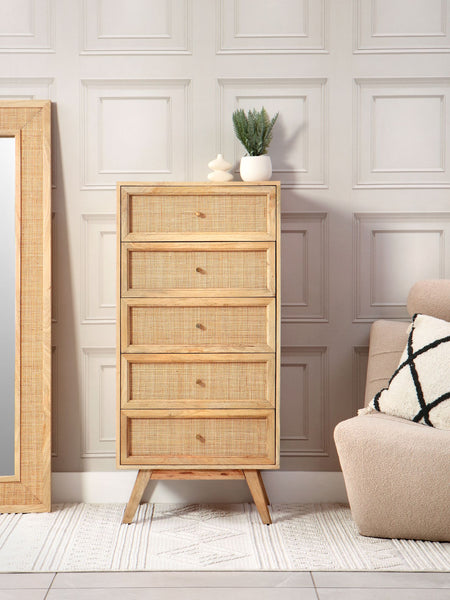
A garden room is rarely just a room at the end of the garden. It becomes the place for a quiet morning coffee, a long Sunday lunch, an evening with friends, or simply a change of scene without leaving home. The right indoor outdoor room furniture helps it feel connected to the house while giving it a character of its own.
That balance is more considered than it first appears. A space surrounded by glazing needs furniture that sits comfortably in the light, feels welcoming in every season and has enough presence to make the room feel lived in. Natural materials, generous cushions and well-judged proportions tend to achieve this more gracefully than pieces chosen solely for their outdoor credentials.
Start with the way the room will be lived in
Before choosing a sofa, chair or dining table, consider what happens in the room most often. A garden room used for reading and relaxing needs a different arrangement from one that regularly hosts family suppers. The most successful spaces do not try to do everything equally. They give priority to the rituals that matter most.
For a room intended for conversation, begin with comfortable seating arranged so people can face one another without craning across a large empty floor. A pair of lounge chairs and a sofa, or a compact suite with a central coffee table, creates an easy sense of occasion. In a narrower room, an occasional chair can be more useful than a second sofa, giving flexibility without making the layout feel crowded.
If meals are central to the room, allow enough space around the table for chairs to be pulled out comfortably. This is especially important in glazed extensions, where sightlines and access to doors can quickly make a handsome table feel oversized. A round table can soften a square room and encourage conversation, while an extending design suits households that entertain occasionally rather than every week.
Many spaces need to work across the day. In that case, choose a clear main purpose and support it with lighter pieces: a side table beside a chair, a storage basket for throws, or a small occasional table that can move when guests arrive. Furniture that earns its place in more than one way is particularly valuable where the room is compact.
Why natural rattan suits indoor outdoor room furniture
Light-filled rooms ask a great deal of their furniture. Strong sunshine reveals texture, shadow and finish, while the changing view beyond the glass makes heavy, overly formal pieces feel out of place. Natural rattan has an ease that works beautifully in these settings. Its woven surface catches the light gently, bringing depth and warmth without visually weighing down the room.
It also provides something that wholly manufactured materials struggle to offer: variation. The subtle changes in tone and weave are part of its appeal, giving each piece a relaxed, crafted character. In a newly built garden room with clean lines and broad expanses of glass, this natural texture can make the room feel established from the first day.
There is a practical side, too. Rattan furniture is well suited to interior spaces that blur the boundary between house and garden, provided it is treated as the indoor furniture it is. It should be protected from persistent damp, direct rainfall and prolonged exposure to harsh weather. A garden room, conservatory or orangery offers the brightness and connection to nature that suit rattan so well, while providing the shelter it needs.
This distinction is worth making early. Furniture designed for a protected, light-filled interior can prioritise comfort, beautiful upholstery and refined detailing. That is often exactly what homeowners want when creating a room to use throughout the year, rather than simply somewhere to sit on a warm afternoon.
Comfort should set the standard
A garden room can look inviting in photographs but still fail in daily life if the seat depth, cushion support or arm height is wrong. Try to think beyond the first impression. Will you settle into the chair with a book for an hour? Is there room to put down a drink? Do the cushions feel supportive enough for an evening with guests?
Well-made, generously filled cushions bring softness to the structured beauty of rattan and cane. They also give you the opportunity to introduce colour and pattern in a way that can evolve over time. Neutral fabrics are enduring and make a calm foundation, but they do not have to mean plain. Warm oatmeals, soft greens, mineral blues and understated checks can all sit naturally alongside timber floors, planting and changing garden views.
For a room that receives strong sun, fabric choice deserves particular care. Lighter tones help maintain an airy feel, while removable cushion covers make everyday upkeep more manageable. It is sensible to request fabric swatches before committing, then view them in the room at different times of day. The same colour can appear quite different beneath morning light, afternoon sun and evening lamps.
Get the scale right before choosing a set
A common mistake in an orangery or extension is furnishing by square footage alone. Ceiling height, window position and the amount of visible garden all affect how substantial a piece will feel. Furniture with an open frame can preserve a sense of space, while a lower-backed sofa may keep views clear in front of a run of glazing.
Measure the room, but also mark out the footprint of the furniture with newspaper or masking tape. Include the space needed to walk around it, open doors and reach storage. This simple step often reveals whether a three-seater is genuinely right, or whether a two-seater with two chairs will create a more relaxed arrangement.
The room should not feel like a showroom display, with every edge neatly aligned and no room for life. Leave a little breathing space around key pieces. A carefully chosen coffee table, a lamp and a substantial plant can make a seating area feel complete without filling every corner.
Build layers for year-round use
The difference between a pleasant garden room and a room used every month of the year is often in its layers. Start with the furniture, then add the elements that make people want to stay: a textured rug beneath the seating, table lamps for softer evening light, curtains or blinds to temper bright sun, and throws for cooler days.
Wooden side tables, mango wood storage and carefully selected décor can create a pleasing conversation between natural surfaces. The aim is not to match every finish precisely. A room feels more personal when tones are related rather than identical - honeyed rattan, warm timber, linen-like upholstery and leafy greens belong together without becoming overly coordinated.
Storage is particularly useful in a multi-purpose room. A cabinet or chest can hold games, books, spare cushions or dining linens, keeping the space ready for both relaxed everyday use and impromptu entertaining. Choose storage that looks like furniture in its own right, especially where it will be visible from the main house.
Choose pieces with a life beyond one season
A considered purchase should remain satisfying after the novelty of the new room has passed. Timeless forms, natural materials and quality construction tend to age more gracefully than furniture selected for a short-lived look. This is not an argument against personality. It is a reason to put character into cushions, lampshades, artwork and objects that can be refreshed more easily, while allowing the main furniture to provide a lasting foundation.
British-made cushions and carefully finished frames offer reassurance where it matters most: in the details you see and feel every day. Desser has spent more than a century working with natural rattan and understands that lasting comfort is not separate from craftsmanship. It is the result of considered materials, skilled making and furniture designed for real homes.
When planning your room, give yourself time to sit with the choices. Order swatches, take measurements twice and imagine the space on a grey February afternoon as well as a bright July morning. The best furniture for these rooms will make both moments feel like time well spent.