A sunlit garden room asks something different of furniture. It needs to feel at home beside planting, open doors and changing daylight, while still offering the comfort and finish expected in the rest of the house. When choosing rattan or cane, the question is less about selecting two competing styles and more about understanding how two closely connected natural materials perform, look and age.
Both bring texture, warmth and a sense of ease to conservatories, orangeries and extended living spaces. Yet they have distinct roles. Knowing the difference helps you choose pieces that suit not only your room, but the way you intend to use it.
Rattan or cane: what is the difference?
Rattan is a naturally renewable climbing palm with long, strong stems. Once harvested and prepared, its core can be shaped into the curved frames and structural elements that give rattan furniture its recognisable form. Its strength, flexibility and naturally varied finish make it particularly suited to generous lounge chairs, sofas, dining chairs and occasional tables.
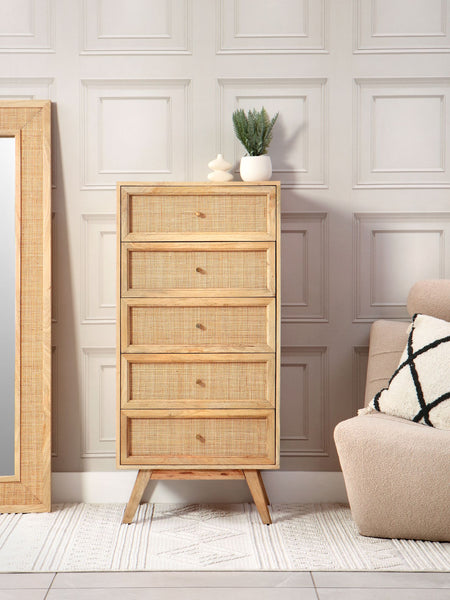
Cane comes from the outer skin of the rattan stem. It is carefully peeled into fine strands, then woven to create panels, open latticework and detailed surfaces. A cane chair may have a solid timber or rattan frame, with cane used across the seat back, sides or seat itself. It is lighter in appearance than a fully woven rattan piece and allows light to travel through its pattern.
The two materials are therefore closely related rather than interchangeable. Think of rattan as the material often used to create the strength and silhouette of a piece, while cane is the finely woven finish that can bring delicacy, ventilation and visual detail. Furniture can use one, the other, or both.
Why natural rattan suits light-filled rooms
There is a reason rattan has long felt so right in conservatories and garden rooms. Its organic texture softens the clean lines of glass, brick and painted plaster, making a newer extension feel settled and lived in. It also has a visual lightness that keeps a room open, even when the seating is generously proportioned.
Natural rattan is not uniform, and that is part of its appeal. Small variations in tone, weave and marking reflect the material itself. In a home where stone, timber, linen, plants and natural light already play a part, this character creates a more considered atmosphere than a perfectly flat surface ever could.
It is also remarkably practical for relaxed living. A well-made rattan frame has enough strength for everyday seating, while its inherent flexibility gives it a little give rather than an overly rigid feel. Add deep, supportive cushions and it becomes furniture made for long breakfasts, a quiet afternoon with a book or an evening spent with friends.
For a space that connects indoors with the garden, rattan offers a useful balance. It feels natural enough to belong near greenery, but refined enough to sit comfortably alongside upholstered furniture, wood cabinetry and carefully chosen lighting.
Where cane makes its strongest statement
Cane is especially effective where you want detail without visual weight. A cane-fronted cabinet can make storage feel more decorative and less block-like. A dining chair with a cane back can add texture around a table without crowding the room. On a sideboard, occasional chair or headboard, cane brings a quiet pattern that rewards a closer look.
Its open weave also gives cane a breathable quality. This is valuable in rooms that become warm and bright through the day, as well as in homes where a lighter, more relaxed look is preferred. It does not mean cane is only for summer. Paired with warm-toned timber, wool throws or rich upholstery, it can feel just as inviting through autumn and winter.
There is, however, a practical distinction to consider. Cane panels are beautiful but more delicate than a solid frame. They are best treated with everyday care: avoid placing excessive concentrated weight on a cane seat, and take care around sharp objects or the repeated impact of a chair being knocked against a hard table edge. Used appropriately, cane is durable and can remain a much-loved feature for years.
Choosing for the way you live
The right choice often comes down to where the piece will sit and what it needs to do. For the main seating group in a garden room or conservatory, rattan-framed sofas and armchairs are usually the natural starting point. They create the comfort and presence needed for a room used every day, particularly when finished with cushions made for proper lounging rather than occasional use.
Cane is often at its best as an accent or complementary layer: on dining chairs, storage furniture, occasional seating or decorative panels. It brings contrast to the fuller weave and curved outline of rattan, helping a room feel composed rather than matched from corner to corner.
That said, there are no fixed rules. A home with a calm, pared-back kitchen extension may suit cane dining chairs as its central feature. A traditional orangery may benefit from a complete rattan seating arrangement that echoes the room's generous scale. Consider the view from the room as well. If your eye is drawn to a busy garden or patterned floor, an open cane weave can give the scheme a welcome pause. If the room has crisp, minimal architecture, the depth of rattan can provide the warmth it needs.
Consider comfort before appearance alone
A chair can look beautiful in a photograph and still not be the chair you reach for at the end of the day. Sit where possible, and pay attention to seat depth, back support and arm height. For a family room, removable cushion covers and fabrics that work with everyday life matter just as much as the frame.
The quality of the cushions also changes the experience entirely. Properly filled cushions add the softness that allows natural furniture to work in a living room, not simply as an occasional perch. UK-made cushions offer the added reassurance of considered workmanship and the opportunity to choose a fabric that belongs with your home.
Think about the room's conditions
Rattan and cane are natural materials, so they appreciate a little thought about their surroundings. They are well suited to interior spaces with good natural light, but neither should be left exposed to persistent dampness or dramatic swings in temperature. A garden room used as part of the home, rather than an unheated outdoor space, is ideal.
Strong direct sunlight can gradually deepen or alter the colour of any natural material. This is not a fault but part of the ageing process. If you prefer the most even appearance, rotate movable pieces occasionally and use blinds or shading during the brightest periods. Keep furniture away from direct heat sources, and wipe it with a soft cloth or use a gentle brush in the weave to remove dust.
How to create a room with lasting character
The most welcoming light-filled rooms rarely rely on one texture alone. Start with the rattan or cane piece that meets the room's practical need, then build around it with materials that make sense together. A woven sofa can be paired with a mango wood coffee table, an upholstered accent chair and a soft wool or jute rug. Cane-fronted storage can sit beautifully against painted cabinetry, timber flooring and linen curtains.
Colour need not be complicated. Natural rattan works easily with soft greens, warm neutrals, chalky blues and earthy clay tones. For a more tailored feel, choose deeper cushions in olive, navy, charcoal or russet, then introduce lighter throws and ceramics to keep the room from becoming too heavy. The aim is not to create a theme, but a space with enough layers to feel personal.
Scale matters as much as colour. In a compact conservatory, a pair of well-proportioned armchairs and a small table may feel more generous than trying to fit in a large sofa. In a wide garden room, a sofa and chairs arranged around a central table create a natural invitation to gather. Leave enough room to move easily, particularly around doors opening to the garden.
At Desser, natural rattan remains central because it answers this brief so well: it is crafted, comfortable and made for rooms where home and garden meet. The strongest schemes do not chase a passing look. They choose materials with real presence, then allow them to become more familiar and more characterful with everyday use.
Choose the piece that makes you want to stay in the room a little longer. Whether that is the supportive curve of a rattan armchair or the finely woven detail of a cane cabinet, it should earn its place through comfort as well as appearance.