A well-designed sunroom earns its place long after the first bright morning of spring. It might be where the papers are read, where friends settle after supper, or where a quiet corner of an extension becomes the most used part of the house. The most compelling sunroom design trends are therefore less concerned with making a statement and more concerned with making light-filled spaces genuinely comfortable to live in.
For British homes, that means designing beyond the postcard-perfect summer day. A sunroom, garden room or orangery needs to feel inviting when the garden is in bloom, but equally settled on a grey November afternoon. Natural materials, softer silhouettes and furniture chosen for everyday use are shaping rooms with that kind of lasting appeal.
Sunroom design trends are becoming more relaxed
For some time, glazed rooms were treated as separate spaces - beautifully bright, perhaps, but furnished more formally than the rest of the home. That distinction is fading. Today’s sunroom is increasingly an extension of the main living area, with the same attention paid to comfort, colour and personality.
The result is a gentler, more residential look. Rather than matching every piece exactly, homeowners are combining a generous sofa or rattan suite with an occasional chair, a useful side table and layers of texture. The room feels collected over time, even when it has been planned carefully from the outset.
This shift also changes how the space is used. A garden room can host Sunday lunch, provide a calm place to work, and become an evening sitting room with the addition of warm lighting and proper cushions. Furniture needs to support those different moments rather than serving one narrow purpose.
Natural materials bring warmth to glass-filled rooms
Glass, stone floors and pale walls can make a sunroom feel airy, but they can also leave it feeling slightly hard or echoing. The return to tactile, natural materials is a considered answer to that challenge. Rattan, cane, timber, woven fabrics and soft woollen throws introduce depth without taking away from the view.
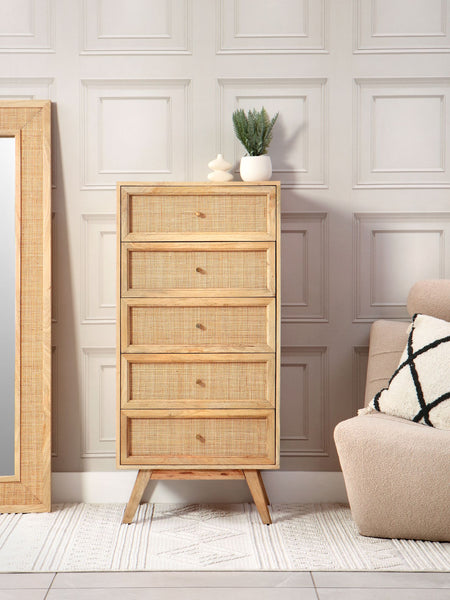
Natural rattan is particularly at home here. Its woven structure allows light to move around it, so substantial seating does not appear heavy in a bright room. It also brings the irregularity and warmth that manufactured finishes often lack. Each piece has a character that sits comfortably alongside planting, brickwork, timber frames and the changing colours of the garden.
There is a practical benefit, too. Quality rattan furniture is light enough to reposition as the way you use the room changes, yet it has a reassuring permanence. Paired with well-made cushions, it creates the sort of easy comfort people expect from a main living space.
Choose texture before pattern
Pattern still has a place, particularly in cushions, a small upholstered stool or a favourite blind fabric. Yet texture is doing more of the visual work in current schemes. Consider the contrast between a smooth painted wall, a woven chair back, a linen-look cushion and the grain of a mango wood table. These layers make a room feel interesting without competing with the garden beyond the glass.
A restrained palette usually gives this approach room to breathe. Warm neutrals, soft greens, gentle clay tones and muted blues work especially well because they reflect the colours visible outdoors. That need not mean every room should be beige. A deeper olive chair, rust-toned cushion or richly coloured rug can give a pale sunroom welcome definition.
Comfort is no longer an afterthought
A beautiful chair that is only used when visitors call is a missed opportunity. One of the clearest sunroom design trends is the move towards deeper cushions, supportive seating and layouts that encourage people to linger. The expectation is no longer that a glazed room should look good from the kitchen door. It should be the place everyone chooses to sit.
Start with the room’s natural rhythm. If it catches morning light, two comfortable chairs with a table between them may create the ideal coffee spot. If it opens from a kitchen or dining area, a larger sofa arrangement can make the transition from meal to conversation feel effortless. In a narrower room, a compact suite and one carefully placed occasional chair may be more useful than trying to fit a full lounge layout.
Proportion matters more than quantity. Low-backed, visually light furniture can preserve a view, but it must still offer enough support for an unhurried afternoon. Equally, oversized pieces may be comfortable but can overwhelm a modest conservatory. Measuring the footprint is essential, though it is also worth allowing for circulation around doors, radiators and access to the garden.
Make the layout sociable, not ceremonial
Arranging every seat towards the garden can seem obvious, but it does not always make conversation easy. Where space allows, turn seating slightly towards one another and use a coffee table or footstool as a natural centre point. This creates a room that works for both the view and the people in it.
Occasional tables deserve more attention than they often receive. A place for a cup of tea, a book or a lamp makes a seating area feel finished and useful. Timber tables provide welcome solidity alongside woven furniture, while storage pieces can quietly deal with blankets, magazines and the everyday items that otherwise gather on a chair.
A softer boundary between home and garden
The best sunrooms acknowledge the outdoors without trying to copy it literally. Houseplants, botanical artwork and garden-facing seating are enduring choices, but the aim is a room that belongs to the home as much as it belongs beside the garden.
This is where materials can create a subtle connection. A rattan chair echoes the organic lines of surrounding planting; a wooden table relates to decking, fencing or mature trees; cushions in leaf green or earthy ochre bring colour indoors in a way that feels calm rather than themed. The effect is most successful when it is lightly handled.
Planting can also soften the architecture. A tall leafy plant gives height in a corner, while smaller pots on a sideboard or table make the room feel cared for. Consider how much direct sun the room receives before choosing varieties. A south-facing glazed space may become very warm, so the plants and furniture finishes need to suit the conditions.
Design for every season, not just summer
British light is wonderfully changeable, and a room that feels balanced in June can feel bare in January. The strongest schemes allow for seasonal adjustment without requiring a complete redesign.
In warmer months, lighter throws, open blinds and a few fresh cushions keep the room breezy. As evenings draw in, introduce a textured rug, a heavier throw and table lamps with warm pools of light. Lamps are often more flattering than relying solely on overhead fittings, particularly once daylight fades and the glass begins to reflect the interior back into the room.
Window treatments need a similar balance. Sheer fabrics can reduce glare while preserving softness and daylight. For rooms that receive strong afternoon sun, lined blinds or curtains offer greater control and can help the space feel more insulated in colder weather. The right choice depends on orientation, privacy and how the room is used, rather than a single decorative rule.
Heritage pieces, contemporary rooms
There is growing confidence in mixing traditional craft with clean, contemporary architecture. A modern garden room with slim frames and a simple floor does not need equally stark furniture. In fact, a hand-finished woven piece can provide the warmth that makes the architecture feel lived in.
This is not about recreating a period conservatory. It is about choosing materials with longevity and allowing them to sit naturally alongside modern fabrics, painted finishes and carefully chosen lighting. Desser has spent more than a century working with natural rattan, and that experience shows why the material remains relevant: it is not a passing look, but a thoughtful response to rooms made for daylight and relaxed living.
When choosing a larger piece, favour a shape and finish you will still enjoy if the wall colour changes or the room gains a new purpose. Timeless furniture gives you freedom to refresh around it with cushions, rugs and accessories rather than replacing the foundations of the room.
Let the room reflect how you actually live
The most successful sunroom is not arranged for a photograph. It has enough surfaces for daily life, enough softness to encourage a pause, and enough character to make it feel connected to the rest of the house. Trends can offer useful direction, but the better question is whether the room will still welcome you in on an ordinary Tuesday.
Choose natural materials that improve the atmosphere, seating that invites you to stay, and details that make the changing seasons part of the pleasure. A sunroom should never feel like an extra room to maintain. Done thoughtfully, it becomes the one you return to most.