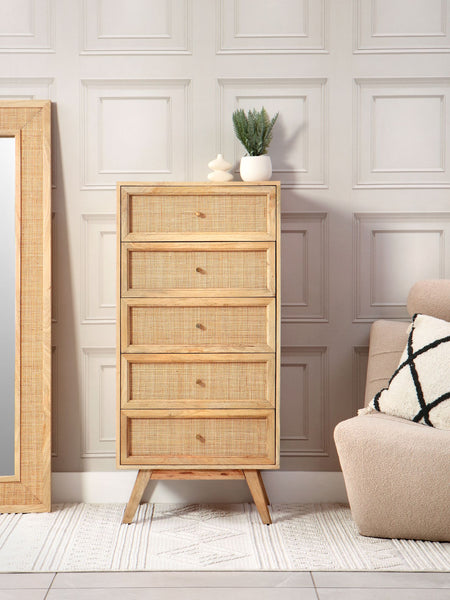
A layer of dust has a habit of settling into cane long before you notice it on a tabletop or shelf. In bright spaces such as conservatories, garden rooms and orangeries, that fine build-up can dull the texture that makes cane furniture so appealing in the first place. If you are wondering how to clean cane furniture without drying it out or damaging the weave, the good news is that a gentle approach is usually the right one.
Cane is a natural material, and that is exactly why it deserves a little more care than furniture made from harder, less responsive surfaces. It has warmth, flexibility and character, but it also reacts to moisture, heat and neglect. Clean it well and regularly, and it will continue to look relaxed, elegant and entirely at home in the light-filled spaces it suits so well.
How to clean cane furniture without causing damage
The first rule is simple - avoid over-wetting it. Cane does not respond well to being soaked, and too much water can lead to sagging, warping or a brittle finish over time. A light touch is far better than an aggressive scrub.
Start by removing loose dust and debris. A soft brush attachment on a vacuum cleaner works well for this, especially around the joints and in the tighter parts of the weave where dust settles unnoticed. If you do not want to use a vacuum, a clean, soft paintbrush or dry microfibre cloth can do the job just as well, though it takes a little longer.
Once the surface dust is gone, wipe the furniture with a barely damp cloth dipped in warm water with a small amount of mild soap. The cloth should feel only slightly moist, never wet enough to leave water sitting on the cane. Work along the weave rather than against it, and be patient around any areas that have picked up grime from regular handling.
After that, go over the piece again with a clean cloth dampened only with plain water to lift away any soap residue. Then allow it to dry naturally in a well-ventilated room. Keep it away from direct heat sources such as radiators, and avoid leaving it in harsh, prolonged sunshine while damp, as rapid drying can make natural fibres more fragile.
What you need to clean cane furniture
You do not need a cupboard full of specialist products to care for cane well. In most homes, a few gentle essentials are enough. A vacuum with a brush attachment, soft cloths, a bowl of warm water, mild soap and a soft brush will cover most routine cleaning.
If the weave is particularly intricate, an old toothbrush can help with stubborn corners, but it should be used carefully and without force. This is not a surface that benefits from hard scrubbing. Cane has enough texture of its own. It does not need help being worn down.
It is also worth avoiding strong household cleaners, bleach and anything overly abrasive. Products designed to cut through grease or disinfect hard surfaces can strip away the natural finish or leave the material dry and lifeless. With cane, gentleness is not a compromise. It is the correct method.
Dealing with marks, spills and mildew
Everyday marks are usually easy to manage if you catch them early. For light spills, blot first rather than rub. Then clean the area with a soft cloth and a very mild soap solution, using as little moisture as possible. If a mark remains, repeat the process rather than trying to force it out in one go.
Greasy residue can be more stubborn, particularly on armrests or chair backs that are handled often. In that case, a slightly more thorough wipe with diluted soap may be needed, followed by careful drying. Even then, restraint matters. Saturating the weave rarely improves the result.
If your furniture is kept in a room that is prone to damp, you may occasionally notice mildew. This is less about the furniture itself and more about the environment around it. A mild solution of water and soap can help remove surface spotting, used sparingly with a soft brush. Once cleaned, the furniture must be dried thoroughly, and the room itself should be better ventilated if possible. Opening windows regularly or improving airflow can make a considerable difference.
Where mildew has settled deeply or the furniture has been left in poor conditions for some time, it may need more careful restoration than routine cleaning can offer. That is the point at which a measured, professional approach is often wiser than home remedies.
How often should cane furniture be cleaned?
For most homes, light dusting every week or two and a more thorough clean every couple of months is enough. That said, it depends on where the furniture lives. In a busy kitchen extension or sunny garden room used daily, cane will naturally pick up more dust, airborne particles and handling marks than it would in a quieter corner of the house.
Households with pets may need to clean more often, particularly if hair settles into the weave. The same applies during warmer months when windows and doors are open more often and outdoor dust finds its way inside. Frequent light cleaning is always preferable to long gaps followed by heavy cleaning.
Caring for cane in bright, warm spaces
Cane furniture looks entirely at ease in rooms filled with natural light, but bright rooms do ask a little more of the material. Extended exposure to strong sun can dry natural fibres over time, while fluctuating temperature and humidity can affect flexibility.
That does not mean cane should be hidden away. Quite the opposite. It simply means the room should be considered as part of the care routine. Position furniture where it can enjoy the space without sitting in the harshest direct sunlight all day, every day. In particularly hot spells, closing blinds during peak afternoon sun can help preserve both the cane and any upholstered cushions nearby.
Air that is too dry can also make cane more brittle over the years. Most lived-in homes strike a reasonable balance naturally, but spaces that become very hot in summer or overly dry in winter may need a little extra attention. The aim is consistency rather than perfection.
Common mistakes people make
The most common mistake is using too much water. Cane may look sturdy, but it is woven from natural fibres that can weaken if repeatedly soaked. Another is reaching for harsh sprays or polishes intended for other furniture. These often promise a quick shine, but cane is valued for its texture and natural finish, not for a glossy coating.
It is also easy to ignore the underside and back of chairs, where dust gathers quietly. Cleaning only what you can see from the front tends to leave furniture looking tired sooner than it should. A thorough but gentle clean, including the less visible areas, keeps the whole piece in better condition.
Then there is the temptation to postpone cleaning until the furniture looks obviously dirty. By that stage, dust and grime have often settled more deeply into the weave. Cane responds best to steady, low-effort care.
When cleaning is not enough
Sometimes a piece is clean but still does not look its best. If the weave is sagging, split or noticeably brittle, the issue may be age, dryness or structural wear rather than surface dirt. Cleaning can improve appearance, but it cannot reverse damage.
In those cases, it is worth assessing whether the furniture needs repair, refinishing or simply gentler placement within the home. Well-made cane furniture is often worth preserving properly, especially when it forms part of a room you use every day. Pieces with heritage, craftsmanship and natural character tend to reward that effort.
At Desser, we have spent more than a century working with natural materials for exactly these kinds of lived-in spaces, and one thing remains true - furniture lasts best when it is understood as well as admired.
A simple routine that keeps cane looking its best
If you want a straightforward habit to follow, keep it to this. Dust regularly, clean lightly with mild soap when needed, dry thoroughly and avoid extremes of moisture and heat. That is the heart of how to clean cane furniture well.
There is something quietly satisfying about caring for natural furniture properly. It asks for a little attention, but it gives a great deal back - texture, warmth and a sense of ease that suits the modern home beautifully. Look after it with a gentle hand, and it will continue to settle into your space rather than simply sit in it.