Top Interior Design Trends for 2026: A Comprehensive Guide
Welcome to our comprehensive guide on the top interior design trends for 2026. As we delve into the world of interior design, we'll explore why these trends matter, their visual impact, and how they can transform your living room into a stylish haven.
From the resurgence of dark wood to the rise of statement seating, we'll uncover the secrets behind these trends and why they're making waves in the industry. In this guide, we'll also explore the shift towards craftsmanship over flatpack furniture, the bold new trend of pattern drenching, and the rise of natural rattan products.
Each trend is a testament to the evolving tastes and preferences of homeowners and designers alike, reflecting a deeper desire for comfort, longevity, and real-life living. So, whether you're a seasoned interior designer or a homeowner looking to spruce up your space, this guide is your ticket to understanding and incorporating the hottest trends of 2026.
Stay tuned as we unravel the intricacies of these trends and their potential to redefine your living space.
Understanding the Importance of Interior Design Trends
In the ever-evolving world of interior design, trends play a pivotal role. They are the compass that guides the aesthetic direction, shaping our living and working spaces. But why is understanding these trends so crucial? Let's delve into the importance of interior design trends and how they influence our surroundings.
Trends are not just about what's in vogue; they reflect our societal shifts and technological advancements. They help us create spaces that are not only visually appealing but also resonate with the contemporary audience.
The Role of Trends in Interior Design
Trends in interior design are not merely fleeting fashions or capricious whims; they act as a mirror to society and reflect the periods through which we live. They serve as critical indicators of our prevailing preferences, social climates, and the innovative advancements of technology in our era. This perceived importance of patterns or 'trends' in interior design becomes all the more apparent when one examines how they continually evolve, phased in and out, shaping our dwellings and workspaces.
In each given period, certain design elements ascend to the forefront, gaining attention and popularity. Today, for instance, the trend spotlight has shifted from stark, hyper-digital designs to emphasise more on relaxed, emotionally reassuring spaces. This shift underlines a growing preference for functionality, comfort, and timelessness - a reaction, perhaps, to the fast-paced digital world affecting our lives.
Understanding these patterns, these 'trends,' is not about blind adherence. It's about acknowledging their prevalence and adapting to them when needed, providing the space a unique appeal whilst ensuring it resonates with the contemporary audience. Therefore, interior design trends bear relevance not just for the industry enthusiasts, but for anyone wishing to create a space that feels modern, relevant, and comfortable in its era. This is exactly why they matter so much.
Why Keeping Up with Trends Matters
Why does this trend matter? In the world of interior design, trends are significant due to their integral role in decision making. They dictate the popular aesthetic, influencing what people see as engaging, attractive, or fashionable.
Moreover, these trends are essentially a reflection of society. They give us insight into our collective preferences, tastes, and, in a broader sense, our cultural and societal values. They change as we do, making it crucial to keep abreast with them.
Why keep up with these trends? By doing so, we can create spaces that resonate with people's tastes and provide a sense of aesthetic comfort and belonging. Ignoring them might result in designing spaces that feel 'outdated' or 'out of touch', making it harder to engage with the target audiences. Hence, recognising 'why this trend matters' is fundamental to effective interior design.

The Rise of Natural Rattan Products
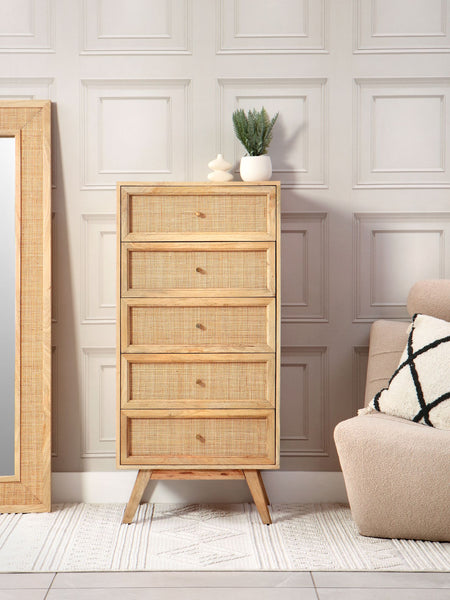
As we delve into the interior design trends of 2026, one standout is the rise of natural rattan products. This trend is a testament to the growing desire for authenticity and sustainability in our living spaces.
Rattan, with its unique texture and organic appeal, is making a significant impact in the world of furniture design. It's not just about aesthetics; it's about creating a space that feels real, grounded, and connected to nature.
Why Rattan is Trending
Why is rattan suddenly stealing the limelight in the world of interior design? The answer lies in its distinctive blend of aesthetics and practical function.
The rise of natural rattan products as a trend comes from a heightened public appreciation for craftsmanship and sustainability. Rattan furniture is uniquely crafted, giving spaces a true sense of authenticity and individual character.
Moreover, rattan tends to be a more sustainable choice compared to other materials - a factor crucial in our times of environmental consciousness. Its legion of fans across the globe has also played a role in its soaring popularity.
Incorporating Rattan in Your Living Room
Integrating rattan into your living room presents an elegant way to incorporate the furniture trend of 2026. It's a stylish yet practical move; rattan not only exudes natural charm but also channels a minimalist approach, leaving your haven feeling grounded and breathable.
Introducing rattan doesn't mean transforming your space into a Bali resort. Rather, think about incorporating a few lively pieces. Not only does this garner attention, but it also seamlessly fuses the modern and rustic setting, delivering a homely environment that is equally comfortable and visually impressive.
The Visual Impact of Rattan
Captivating yet unobtrusive, the use of rattan as a furniture material is precisely the statement piece your living room might be craving. It boasts a realistic texture that taps into our growing desire for authenticity, a trend culminating from our increased digital interface.
This unfeigned material anchors the living room with an organic, grounded atmosphere, simultaneously satisfying our yearning for a slice of the real world. The visual impact of rattan goes beyond merely aesthetically pleasing, it presents a silent revolt against our synthetic-dominated industry, translating into furniture items that feel genuine.
In this visually noisy world, the restrained uniqueness of rattan provides calming continuity. It effortlessly maintains the rhythm of the space without demanding attention, softly tying in all elements together. Irrefutably, rattan is sure to remain a centrepiece in the 2026 furniture trends, giving life to spaces in a subtler yet impactful way.
The Return of Dark Wood
As we delve into the world of interior design trends for 2026, one standout feature is the resurgence of dark wood. This once overlooked material is now being embraced with open arms, adding a touch of sophistication and warmth to modern homes. Whether it's a vintage dark wood dining table or a sleek bookshelf, these pieces are making a bold statement in contemporary interiors. Let's explore why dark wood is making such a triumphant return and how it's being used to enhance the appeal of modern homes.
Why Dark Wood is Making a Comeback
Dark wood, defying years of condemnation and camouflage, is now witnessing a renaissance. This material is rising from obscurity to be a favourite among both antique connoisseurs and interior designers. The hues of ebony, mahogany, and walnut, once considered outdated, are finding their footing back in the realm of chic and contemporary design.
The return of dark wood to the limelight is driven by various factors. Noticeably, there is a yearning for depth, character, and a touch of elegance that dark wood effortlessly brings to a space. It infuses warmth and character, giving life to our living spaces like no other.
This revival is not random but a direct reflection of changing tastes. The monochromes and cooler hues are being dethroned, being replaced by earthy tones like dark wood. These tones, akin to clay, sand, and olive, strike a balance between timeless appeal and contemporariness, making our homes feel more relaxed, layered, and inviting. The comforting appeal of dark wood is what's making it a design frontrunner for 2026.
The Appeal of Dark Wood in Modern Homes
The profound appeal of dark wood in modern homes centres around its ability to provide a deeply rich aesthetic. This beauty, which transcends the ephemeral appeal of contemporary design trends, brings soaking warmth and timeless elegance.
By adding vintage pieces of dark wood furniture, like dining tables or bookshelves, one can amplify their home's character without making the area feel burdened. However, achieving harmony does require inadvertently balancing these elements with lighter objects and upholstery, as well as incorporating a variety of woods to maintain visual interest.
Interestingly, earthy tones are emerging as a favourite in interior design, pushing the traditionally dominant blacks, whites, and greys into the intermediate past. Opting for these neutrals in furnishing enables users to craft an interior that feels relaxed, layered, and inviting, seamlessly connecting people back to nature.
The New Neutrals: A Shift in Colour Trends
As we delve into the world of interior design trends for 2026, one of the most significant shifts we're witnessing is in the colour palette. The era of stark blacks, whites, and greys is fading, making way for a new wave of neutrals. These aren't your typical neutrals; they're earthy, warm, and grounded, bringing a sense of comfort and tranquillity to any space.
This shift in colour trends is not just about aesthetics, but it's also about the visual impact and the 'why' behind this trend. It's about creating spaces that feel authentic, restorative, and in tune with our realities. Let's explore this fascinating trend further.
Understanding the New Neutrals
The "New Neutrals" paint a vivid picture within the canvas of contemporary design. These earthy shades - olive greens, dusky blues, and warm taupe - supersede the cooler greys that once reigned supreme. This trend moves towards nurturing visual impact while creating a warm, layered, and relaxed ambience which is effortless to live with.
These colours have an elemental essence that brings us back to our roots, inviting an atmosphere of comfort and grounding which is universally appealing. They set the stage for spaces that are intentionally designed, beautiful in their imperfection yet sublime in their authenticity.
This shift represents the evolution of interior design, breaking conventions of what constitutes a 'neutral' palette. The 'New Neutrals' are not just about colours, but about why this trend feels fresh, modern and ultimately, timeless. It’s a reflection not only of aesthetics but also of a deep-seated desire for spaces that are grounding, restorative, and true to our realities.
How to Incorporate New Neutrals in Your Home
Incorporating 'new neutrals', such as clay, sand, olive, and warm taupe, into your home decor can significantly enhance its visual impact. These earthy shades, which contribute to a grounded and timeless feel, are replacing the traditional blacks, whites, and greys. Opting for upholstery in these tones sit without overpowering your spatial aesthetics, effectively connecting your interiors back to nature.
To effectively incorporate these colours without overpowering your space, keep style and proportion in mind. Opt for seating with depth and softness. Choose upholstery materials like velvets, bouclés, or brushed fabrics that are pleasing to the touch. Let your furniture play the primary role in the atmosphere of comfort and relaxation these tones engender.
Most importantly, the goal is to ensure these earthy, warm tones create an environment that is welcoming and easy to live in. Let this shift in colour trends towards warmer, more natural tones, redefine the essence of your interiors, making it a place of serenity and peace.
Statement Seating for Socialising: A New Furniture Trend
As we delve into the future of interior design, one trend stands out: statement seating for socialising. This new wave in furniture design is all about creating a space that's not just visually appealing, but also comfortable and conducive for meaningful interactions.
This trend is a testament to the evolving dynamics of living spaces, where furniture is no longer just about functionality, but also about creating a certain atmosphere and making a bold statement. It's about turning your living room into a social hub, a place where conversations flow and connections are made.

The Rise of Statement Seating
Statement seating is making a formidable tide in the furniture trend forecast for 2026. It's a gesture towards the new doctrine of domesticity – moving beyond the customary towards a composition that adds genuine visual impact.
Drawing influence from global living philosophies, statement seats create an environment conducive for rest and slow living. They strategically transform living rooms into expansive spaces, radiating an element of tranquillity and charm.
This signal shift towards lower profile seating is expected to continually dominate, resonating with individuals seeking to foreground the aesthetics of their abode while cultivating an atmosphere for engaging conversation and pleasant socialising. Make no mistake, this centrepiece furniture remarkably redefines the living room dynamics.
Choosing the Right Statement Seating for Your Living Room
Choosing the right statement seating for your living room could be a game changer for your living space. It's crucial to factor in the visual impact you want to create. Statement seating, part of the emerging furniture trend, can serve as the distinction your living room requires.
Aim for pieces that would not merely fill the room, but also add a distinctive touch for the 2026 interiors. Depending on the size, a chaise or a small sofa placed strategically can transform your socialising space.
Craftsmanship over Flatpack Furniture: A Return to Quality
As we look ahead to 2026, the interior design landscape is set to undergo a significant shift. The era of flatpack furniture, once hailed for its convenience and affordability, is giving way to a renewed emphasis on craftsmanship. This trend is not just about aesthetics, but a deeper appreciation for quality, durability, and the skill involved in creating each piece.
This shift towards craftsmanship in furniture design is a reflection of a broader societal trend. As we move away from a culture of fast consumption, there's a growing desire for items that are built to last, that tell a story, and that bring a sense of permanence to our homes.
The Appeal of Craftsmanship
In 2026, the appeal of craftsmanship will transcend the clamour of flashy designer pieces. This shift reflects a deeper appreciation for the subtlety, durability, and tactile nuances that come with expertly crafted furniture. What's captivating about these pieces is not just their aesthetic appeal, but their underlying testament to labour, expertise, and longevity. They silently augment a space, imbuing it with a palpable sense of permanence.
The rise in prominence of masterfully-crafted furniture denotes a movement away from fast consumption. It embodies an investment in quality and enduring value in place of disposability. Decorating your space with these crafted pieces subtly whispers of luxury without demanding attention.
Choosing furniture that stands the test of time intervenes and subverts the short-lived gratification that flatpack or mass-produced furniture provide. It encourages care, value, and patience which reverberates the ethos of mindful consumption into our living spaces, culminating in a profound sense of satisfaction and well-being.
Why Flatpack Furniture is Falling Out of Favour
Flatpack furniture, once a touted solution for economical and efficient living, is falling out of favour. Challenged by the rising 'slow living' philosophy, these assembly-required pieces rarely meet the criteria for a restful atmosphere. Their often lofty profiles fail to convey the sense of calm and expansiveness most modern homeowners seek.
Moreover, flatpack items signify impermanence, counterintuitive to the rising trend of creating homely spaces to retreat from everyday chaos. With the world moving at an unrelenting pace, homeowners seek solace in sanctuaries marked by permanence and quality – an aspect flatpack furniture seldom offers.
Considering this, it's no surprise the furniture trend is shifting. Magnitudes are favouring grounded, carefully crafted furniture over the former. A trend that substantiates the adage – quality indeed trumps quantity.
Pattern Drenching: A Bold New Trend
Dive into the world of interior design with the bold new trend of pattern drenching. This innovative approach is all about creating a visual impact that's both daring and dynamic.
Why is this trend gaining traction? It's simple - pattern drenching allows for a unique expression of personal style, transforming any space into a vibrant canvas of creativity.
Understanding Pattern Drenching
In an explosion of visual artistry, pattern drenching makes a daring statement in the domain of interior design. This unique trend rejects the notion of a dominant, repetitive pattern for a diverse array of motifs, creating a dynamic dialogue within the room's aesthetics.
Elevating any ordinary space to an expressive masterpiece, pattern drenching splashes florals, heritage-inspired prints, geometric motifs, stripes, etc., across a canvas of wallpaper, upholstery, or soft furnishings. The result is a symphony of patterning where each note is equally important, contributing to an overall harmonious aesthetic.
Crucial to this look is the expert balance of scale and colour. This careful coordination aims to give the impression of individual intent rather than randomness, which adds dimension and interests at every turn. Despite the potential complexity, when done right, pattern drenching communicates boldness and tastes, making it a trend to watch in 2026.
How to Incorporate Pattern Drenching in Your Home
To incorporate pattern drenching in your home, begin by identifying a unifying factor that enables the different patterns to work together. This could be similar weight, a shared colour palette, or even a common material used throughout. Remember that the aim is to create a design that communicates rather than competes.
Next, focus on balancing the scale and colour of your chosen patterns. Go for florals or heritage-inspired prints for a touch of elegance and depth. Geometric motifs and subtle stripes, on the other hand, can bring a contemporary twist. Well-balanced scales and colours ensure the overall look feels intentionally arranged rather than seemingly random.
Embracing the Top Interior Design Trends of 2026
As we wrap up this comprehensive guide on the top interior design trends for 2026, it's clear that the year is all about embracing change, authenticity, and comfort. From the resurgence of dark wood to the rise of statement seating, these trends are not just about aesthetics but also about creating spaces that resonate with our emotions and lifestyles. Incorporating these trends into your living room or any part of your home doesn't have to be daunting.
Start small, perhaps with a dark wood bookshelf or a rattan accent chair, and see how these elements transform your space. Remember, it's all about balance and creating a space that feels like home to you.
Finally, while trends offer a direction, they are not rules set in stone. Your home should be a reflection of your personal style and taste.
So, feel free to experiment, mix and match, and most importantly, have fun with it. After all, the best trend is one that makes you feel at home.