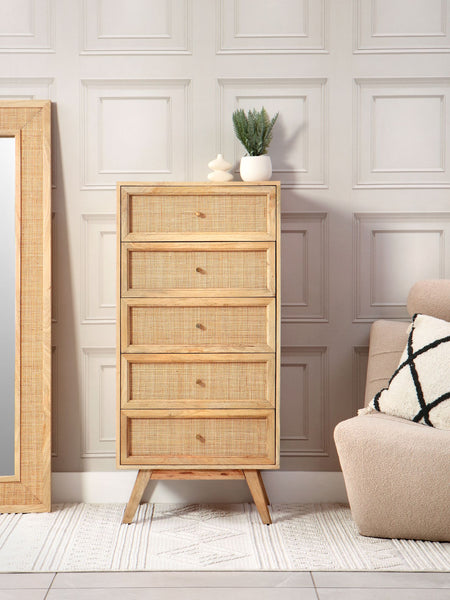
A garden room can look perfect on paper and still feel slightly wrong once the furniture arrives. Too heavy, and the space loses its lightness. Too formal, and it stops feeling like somewhere to properly unwind. That is often the point at which homeowners start asking why choose natural rattan, particularly for conservatories, orangeries and extended living spaces where light, comfort and atmosphere matter just as much as function.
Natural rattan has a way of settling into a room without overpowering it. It brings texture rather than visual weight, character without fuss, and a sense of craftsmanship that suits homes where every choice has been considered. For spaces designed to feel relaxed, airy and lived in, that balance is hard to beat.
Why choose natural rattan in light-filled spaces?
Some materials fight against the room they sit in. Natural rattan tends to do the opposite. In conservatories, garden rooms and open-plan extensions, it works with the qualities that already make the space appealing - daylight, greenery, softness and a connection between indoors and out.
Because rattan is a natural fibre, it has warmth built into it. Not just in colour, but in feel. It softens rooms that might otherwise seem too glazed, too stark or too echoing. Where painted surfaces, glass and stone can sometimes make a room feel a little hard, rattan introduces a gentler note.
That matters more than people sometimes expect. The most successful relaxed living spaces are not only attractive; they are easy to inhabit. They invite you to sit down with a coffee, read in the afternoon sun, or gather in the evening without the room feeling overly arranged. Natural rattan supports that mood beautifully.
It feels crafted, not manufactured
One of the clearest reasons to choose natural rattan is that it does not look anonymous. Even in a carefully designed interior, mass-produced furniture can flatten the character of a room. Natural rattan brings variation, depth and the quiet marks of making.
Its woven structure gives it visual interest from every angle. You notice the curve of an arm, the pattern of the weave, the subtle tonal changes in the frame. Those details create a sense of authenticity that many homeowners are actively looking for now, especially when furnishing spaces they have invested heavily in creating.
This is not about chasing fashion. If anything, natural rattan appeals because it sits outside short-lived trends. It has heritage behind it, but it does not feel old-fashioned when used well. In a period property, it can feel entirely at home. In a newer extension, it adds texture and maturity. That versatility is part of its lasting appeal.
Comfort is not an afterthought
Furniture for a conservatory or garden room has to do more than look good in daylight. It has to be comfortable enough to use every day. This is where natural rattan often surprises people who have only thought of it in visual terms.
The material itself has a natural give, which helps create seating that feels more forgiving than rigid framed alternatives. Pair that with well-made cushions and you get a kind of comfort that suits long conversations, slow mornings and evenings that run on a little later than planned. It is relaxed seating in the true sense of the phrase.
Of course, comfort depends on design as well as material. Seat depth, back support and cushion quality all matter. But natural rattan is particularly well suited to furniture intended for settled, everyday use rather than occasional perching. In rooms that bridge the garden and the home, that distinction matters.
Natural rattan is breathable and well suited to changing conditions
Rooms with lots of glass have their own rhythm. They warm up quickly in sunlight, cool down again later, and often feel different from one season to the next. Materials that work well in these spaces need to cope with those shifts while still feeling pleasant to use.
Natural rattan is breathable, which is one reason it has long been valued in relaxed interiors. It does not feel visually dense or physically overbearing in warmer conditions. In a bright orangery or summer room, that makes a real difference to how comfortable the space feels.
That said, suitability always depends on use. Natural rattan is designed for indoor environments and for covered, protected spaces rather than full exposure to the elements. In a conservatory, garden room or extended kitchen with plenty of natural light, it comes into its own. On an open patio in all weathers, you would make a different choice. Knowing where a material performs best is part of choosing well.
Why choose natural rattan over more uniform materials?
Uniformity can look neat in a showroom, but at home it can feel slightly flat. Natural rattan offers something richer. No two pieces are exactly alike, and that variation is part of the appeal.
For homeowners who want rooms with depth and personality, that matters. The finish has nuance. The weave catches the light differently across the day. Cushions and fabrics sit naturally against it, whether your taste leans towards soft neutrals, botanical prints or something more tailored.
It is also a material that mixes well. Natural rattan does not demand that everything around it match. It can sit comfortably with painted wood, ceramics, mango wood occasional pieces, layered textiles and softer upholstery. That makes it easier to create a room that feels collected rather than bought in one sweep.
It supports a more considered approach to furnishing
There is a difference between buying furniture to fill a space and choosing furniture that helps define how the room will be used. Natural rattan tends to lend itself to the second approach.
Because it carries a sense of permanence, people often furnish more thoughtfully around it. A pair of chairs near the window becomes a place for morning coffee. A generous sofa and footstool turn a bright extension into a second sitting room. A dining set in an orangery encourages a gentler style of entertaining, one that feels informal but still polished.
That is one reason specialists in the category have remained relevant for so long. When a material genuinely suits the way people live, it does not need constant reinvention. It simply needs good design, careful making and an understanding of the rooms it belongs in.
Durability matters, but so does how furniture ages
People often talk about durability as though it is only about resisting wear. In reality, lasting value is also about whether a piece still looks right in your home years later. Natural rattan earns its place on both counts.
Well-made rattan furniture is designed for longevity, particularly when used in the right setting and cared for properly. More than that, it ages with grace. The look does not depend on a glossy finish or a temporary style cue. Its appeal lies in texture, proportion and craftsmanship, which tend to endure far better than novelty.
As with any natural material, a little care helps. Positioning, cleaning and day-to-day maintenance all play a part. But for many homeowners, that is not a drawback. It is simply part of owning furniture with integrity rather than furniture designed to be replaced the moment tastes shift.
Sustainability and provenance carry more weight now
For many buyers, the question is no longer just what looks good, but what feels right to bring into the home. Natural materials have a clear place in that conversation, and natural rattan stands out for good reason.
Choosing it can reflect a preference for renewable materials, for craft over excess, and for furniture with a clearer sense of provenance. That does not mean every purchase is made on principle alone - it still has to be comfortable, practical and beautiful. But the values behind a piece increasingly matter, especially when furnishing a home for the long term.
That is also why heritage and specialist knowledge matter. A company that has worked with natural rattan for generations understands not only how it looks, but how it should be made, finished and lived with. In a market full of short-lived noise, that kind of experience brings reassurance.
A natural fit for the way many homes are used now
The rooms people are creating today are often flexible. A garden room may be a reading space in the morning, a home office by midday and somewhere to entertain by evening. An extension may need to connect kitchen, dining and lounging areas without feeling disjointed.
Natural rattan suits that kind of living because it is adaptable without becoming bland. It can be elegant, but it rarely feels stiff. It can feel informal, but still considered. For homeowners who want furniture that supports a softer, more relaxed style of living, that balance is exactly the point.
At Desser, that understanding has been shaped over more than a century of working with the material in the kinds of spaces where it performs at its best. The appeal of natural rattan is not nostalgia. It is that it still answers a very current need for furniture that brings comfort, character and ease to the brighter, more open rooms we want to spend time in.
If you are furnishing a space that should feel calm, welcoming and quietly distinctive, natural rattan is worth considering not as a decorative extra, but as the thing that helps the whole room feel right.