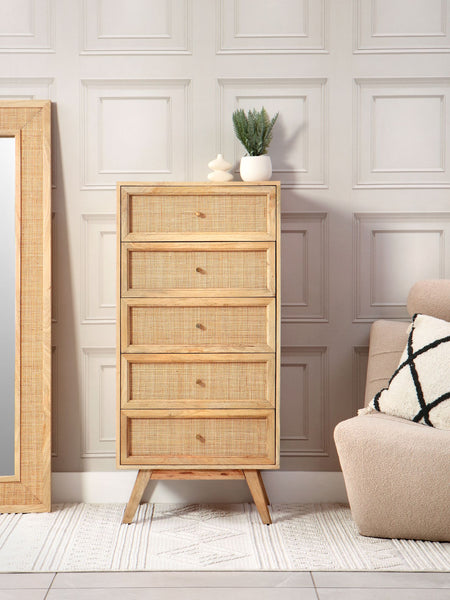
A garden room earns its place in the home when it is more than somewhere to admire the view. It should be the room chosen for a slow morning coffee, a long lunch with family, an evening with a book, or simply a little breathing space between the garden and the rest of the house. That is why biophilic furniture trends are resonating so strongly with homeowners: they bring the calming qualities of the natural world into the rooms where we most want to feel at ease.
This is not about filling a space with plants and calling it finished. Biophilic interiors consider daylight, texture, material, comfort and the view beyond the glass as one connected experience. Furniture has a central role because it is what makes a light-filled room genuinely liveable.
What biophilic furniture trends mean at home
Biophilic design begins with a simple observation: people tend to feel better in spaces that retain a connection with nature. In a conservatory, orangery or extension, that connection is already present in the changing light, the garden outlook and the seasonal shifts outside. The furniture should support it rather than compete with it.
The strongest current direction is towards honest materials with visible character. Natural rattan, cane, timber, linen-look weaves and softly textured upholstery give a room depth without making it feel busy. Their appeal lies partly in their variation. A hand-woven frame or a timber table with a distinctive grain feels warmer and more settled than a perfectly uniform surface.
There is also a move away from furnishing these spaces as occasional rooms. Homeowners are choosing deeply comfortable seating, generous tables and practical storage so that a garden room can accommodate everyday life. The result is less formal, more personal and far more likely to be used all year round.
Natural rattan remains at the heart of the look
Few materials suit indoor-outdoor living as naturally as rattan. Its open weave allows light to pass through a room rather than stopping it at sofa height, while its warm tone works beautifully beside planting, brick, stone, painted joinery and timber flooring. It has enough visual presence to anchor a room, yet it rarely feels heavy.
This matters in extensions with broad roof lanterns, glazed doors or views in several directions. Bulky, solid furniture can interrupt the sense of openness that made the room appealing in the first place. Rattan’s lighter profile helps preserve that flow, particularly when paired with legs that lift seating from the floor and allow the eye to travel around the space.
Natural rattan is not a single look. A closely woven, softly curved frame can feel refined and traditional; a cleaner silhouette with tailored cushions can sit comfortably in a contemporary kitchen extension. The right choice depends on the architecture of the home and on how the room will be used. A reading corner may invite a cocooning chair and footstool, while a sociable garden room benefits from a sofa-and-chair arrangement that encourages conversation.
Desser has spent more than a century working with natural rattan and cane, and that experience shows in the details that turn a beautiful material into lasting, comfortable furniture: balanced proportions, well-considered weaving and cushions made for proper daily use.
Softer forms are replacing rigid room schemes
One of the most useful biophilic furniture trends is the preference for gentler shapes. Curved chair backs, rounded occasional tables and softly upholstered cushions echo the irregularity found in nature. They also make a glazed space feel more relaxed, softening the straight lines of window frames, doors and tiled floors.
This does not mean every piece needs to be curved. Too many rounded forms can make a room feel overly styled. The more enduring approach is to combine a few softer silhouettes with a simple rectangular dining table, a clean-lined sideboard or a structured rug. Contrast gives the room rhythm.
Comfort has become part of this visual language. Slim cushions may look neat, but they are not always the best answer for a room intended for lingering. Supportive seat cushions, inviting back cushions and arms at a natural resting height make the difference between furniture that photographs well and furniture people seek out at the end of the day.
Choose texture before pattern
In light-filled spaces, texture is often more effective than busy pattern. The weave of a rattan chair, the grain of mango wood and the tactile finish of a cushion fabric provide interest without distracting from the garden. A palette of warm neutrals, leafy greens, clay tones and muted blues can then feel layered rather than overly coordinated.
Pattern still has its place, especially in cushions, throws or an occasional chair. The key is scale. Small, delicate patterns can disappear against woven furniture, while very bold prints may overwhelm a room with extensive glazing. Natural textures give more flexibility as the seasons change and are easier to live with over time.
Furniture that follows the light
Biophilic design is as much about placement as it is about materials. Before choosing a suite, spend time noticing how the room behaves throughout the day. Where does morning sun fall? Which corner receives the best garden view? Is there a spot that becomes too warm in summer or cooler on winter evenings?
A pair of chairs angled towards the garden can create a destination within the room without blocking the outlook. A low table positioned between them gives the setting purpose. In a larger space, a sofa can divide the seating area from a dining zone while maintaining an open route to doors and windows.
Try not to press every item against the walls. Pulling seating slightly into the room can make a garden room feel more intimate and gives circulation around it. In smaller conservatories, the trade-off is floor space, so choose fewer pieces with more than one role: a footstool that becomes extra seating, a side table that can hold a tray, or storage that keeps throws and magazines close by.
Let timber ground the space
Rattan brings lightness; timber brings grounding. Mango wood tables, cabinets and occasional pieces are increasingly being used to give a relaxed interior a sense of permanence. Their richer colour and grain work particularly well with pale floors, cream walls and the honeyed tones of natural cane.
The balance is important. A room with rattan furniture throughout can feel airy and cohesive, but adding a timber coffee table or console gives the eye a place to rest. In a larger extension, a substantial dining table can become the centre of family life, with woven dining chairs preventing the arrangement from feeling too formal.
Look for pieces with enough surface area for the way you live. A small occasional table may be elegant, but if the room is used for weekend breakfasts, puzzles with grandchildren or drinks with friends, a more generous table will serve it better. Biophilic design is not about creating a display. It is about creating a home that makes daily rituals more enjoyable.
A more considered view of sustainability
Interest in natural materials is closely tied to a desire to buy less, but buy better. Furniture with a long life, repairable elements and timeless appeal is often a more thoughtful choice than something selected for a short-lived look. Natural rattan has enduring appeal precisely because it does not need to be reinvented every season.
That said, material choice is only one part of the picture. Consider the quality of the frame, the origin of the materials, the longevity of the cushions and whether the piece will still suit the room if you redecorate in five or ten years. Removable cushion covers, fabrics that work across several colour schemes and classic proportions all help furniture remain useful for longer.
It is worth being realistic about environment, too. Natural rattan furniture is made for indoor settings and protected, light-filled rooms, not for being left exposed to the weather. In a conservatory or garden room, manage strong direct sun with blinds where needed, maintain comfortable ventilation and follow care guidance for cushions and frames. These small considerations protect the finish and preserve the comfort that drew you to the furniture in the first place.
How to make the trend feel personal
The most successful rooms do not look as though every item arrived at once. Start with the pieces that define how you want to use the space: perhaps a comfortable sofa, two occasional chairs or a dining table that invites people to gather. Then add a table lamp for softer evening light, a textured throw, a well-placed plant and a few objects with personal meaning.
Avoid treating greenery as an afterthought. One large, healthy plant with a sculptural form often has more impact than several small pots scattered around the room. Place it where it can enjoy suitable light and where it complements, rather than obstructs, a view. The garden should remain part of the composition.
Above all, allow the room to settle. Biophilic furniture trends offer their greatest value when they help a home feel calmer, more connected and more comfortably lived in. Choose natural materials, lasting comfort and pieces you will be pleased to use every day, then let the changing light and the life beyond the windows do the rest.