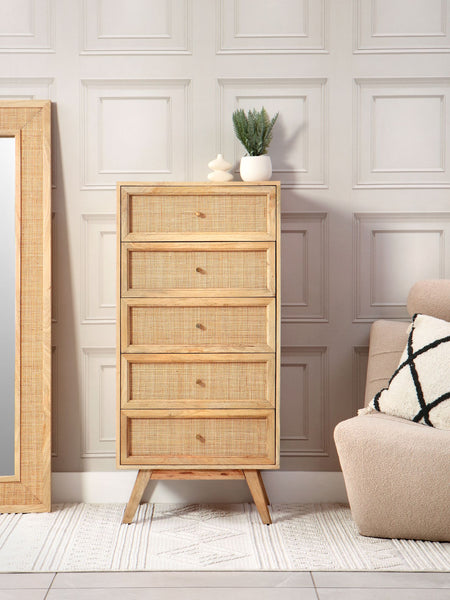
A garden room can look out over the lawn yet still be a true part of the home. That is why the choice between natural wicker vs synthetic wicker is about more than appearance. It affects how a room feels on a bright morning, how furniture settles into an interior scheme, and how confidently it will serve the way you live.
For light-filled spaces that sit between house and garden, both have a place. The right answer depends on where the furniture will live, how exposed it will be, and whether you are drawn to the individual character of natural materials or the weather-ready practicality of a manufactured alternative.
Natural wicker vs synthetic wicker: the essential difference
Wicker describes a weaving technique rather than one single raw material. Natural wicker furniture may be made using rattan, cane or other natural fibres, shaped and woven by skilled hands into frames, panels and detailed finishes. Its beauty lies partly in variation: the gentle shifts in tone, the visible texture and the marks of a material that has grown rather than been moulded.
Synthetic wicker is made from manufactured fibres woven around a frame. It is generally chosen for outdoor settings because it is designed to cope more readily with rain, damp and changing temperatures. Modern examples can look neat and convincing from a distance, but they do not acquire the same warmth, depth or patina as a natural weave.
Neither choice is inherently right for every room. A covered terrace used through the summer has different demands from an orangery used every day of the year. Understanding that distinction prevents a practical decision from becoming a disappointing one.
The feeling of natural materials
Natural rattan and cane have a lightness that suits rooms where daylight does much of the decorating. Their woven surfaces catch the sun softly, while their organic tones work easily alongside timber, stone, linen, plants and painted joinery. Rather than competing with the architecture of a conservatory or extension, they help connect it to the garden beyond.
There is also a tactile quality that is difficult to reproduce. A natural weave has subtle irregularities and a sense of hand-finished craft. Over time, it becomes part of the room rather than simply occupying it. This is particularly appealing when furnishing a space intended for slow breakfasts, family conversation or an evening with the doors open to the garden.
Natural furniture is not a short-lived choice when it is used as intended. Kept indoors or in a dry, sheltered garden room, and treated with ordinary care, a well-made rattan piece can offer many years of comfort. Quality cushions matter here too: supportive filling and well-chosen fabrics turn a beautiful frame into seating people genuinely want to use.
Where synthetic wicker has the advantage
There are occasions when synthetic wicker is the more sensible option. If seating will remain fully outdoors through wet weather, face regular rain or be exposed to strong sun for long periods, a manufactured weave is better equipped for that setting. It is usually straightforward to wipe clean and less vulnerable to moisture than natural fibres.
That practicality can make it a good choice for an open patio, poolside area or a garden seating zone with no permanent cover. It can also suit households that want outdoor furniture to stay outside throughout the season with minimal attention.
Even then, construction is worth examining closely. Frames, joins, cushion covers and drainage all influence how well furniture performs. Weather resistance does not remove the need for care: cushions benefit from being brought in during prolonged rain, and any outdoor furniture will last better when protected during the colder months.
Comfort and style are not separate decisions
It is tempting to think of natural wicker as an aesthetic choice and synthetic wicker as a practical one. In reality, comfort and atmosphere deserve equal weight. The furniture in a garden room or conservatory is often used like living-room seating, sometimes for hours at a time. Seat depth, back support, arm height and cushion quality should therefore be considered before colour alone.
Natural rattan furniture is especially well suited to spaces that are enclosed but bright, such as orangeries, extensions and garden rooms. It brings an ease that upholstered furniture can sometimes lack, while still feeling substantial and comfortable with tailored cushions. The result is relaxed rather than rustic, and timeless rather than themed.
Synthetic wicker tends to create a more uniform finish. For a crisp, coordinated outdoor scheme, that consistency can be useful. But where a home has layered textures, inherited pieces or an emphasis on natural finishes, its regularity may feel less at home.
Care, sunlight and everyday use
Natural wicker rewards a little attention. Dust it regularly with a soft brush or the brush attachment of a vacuum cleaner, taking care around the weave. A lightly dampened cloth can deal with small marks, but soaking natural fibres is best avoided. Allow any moisture to dry promptly and naturally.
The key consideration is exposure. Natural rattan and cane are happiest away from persistent damp and driving rain. They should not be left outside uncovered, and prolonged direct sun can gradually alter their colour or dry the fibres. In a glazed room, blinds, curtains or thoughtful placement can help soften the strongest summer light.
Synthetic wicker asks less in day-to-day care, usually needing only a gentle wash and occasional cleaning between the weave. Yet it can still fade, become brittle or lose its finish over time if constantly exposed to harsh sunlight and winter conditions. Covers and dry storage remain sensible investments, whatever material you choose.
Longevity, provenance and the value of buying well
The most sustainable piece of furniture is often the one that remains useful and loved for many years. Natural rattan is a renewable material, and its appeal does not rely on a passing trend. A well-crafted frame can be re-cushioned, restyled and enjoyed as a home changes around it.
It is worth looking beyond the initial price and asking what you are buying: the quality of the weave, the strength of the frame, the source of the materials and the availability of replacement cushions or fabric options. These details determine whether furniture feels like a considered addition to the home or a temporary solution.
For over a century, Desser has worked with natural rattan, cane and wicker because these materials bring lasting comfort and character to the spaces where people gather. British-made cushions add another layer of reassurance, giving customers the opportunity to choose a finish that belongs to their home rather than settling for a one-size-fits-all look.
Which is right for your space?
Choose natural wicker when your furniture will live indoors, in a conservatory, orangery, extension or properly sheltered garden room, and you want the richness of a real woven material. It is the choice for homeowners who value craftsmanship, breathable texture and a room that feels connected to the natural world outside.
Choose synthetic wicker when the furniture must withstand regular outdoor exposure and convenience is the first priority. It can be a practical companion for open-air entertaining, provided expectations are realistic and the furniture is cared for through the seasons.
A useful rule is to furnish the room you have, not the one suggested by the view. If the space is part of daily home life, choose materials that make it feel warm, settled and inviting from the moment you sit down.