A garden room rarely fails because of the architecture. More often, it is the furnishing that lets it down - seating that feels too formal, tables that are too bulky, or finishes that look flat once the light shifts through the day. The best garden room furniture ideas begin with a simple truth: this is not quite a sitting room, and not quite outdoors either. It needs furniture that feels relaxed, light in character and comfortable enough to use every day.
That balance is what makes garden rooms so rewarding to furnish. They ask a little more of every piece. Materials need to sit comfortably in bright, sunlit spaces. Layouts need to support quiet mornings, family afternoons and occasional entertaining. And the room should still feel calm when nothing much is happening at all.
Garden room furniture ideas that suit the space
The strongest schemes tend to work with the nature of the room rather than against it. Garden rooms often have generous glazing, garden views and a softer boundary between indoors and out. Heavy furniture can feel at odds with that. Pieces with visual lightness, open frames and natural texture usually sit more comfortably.
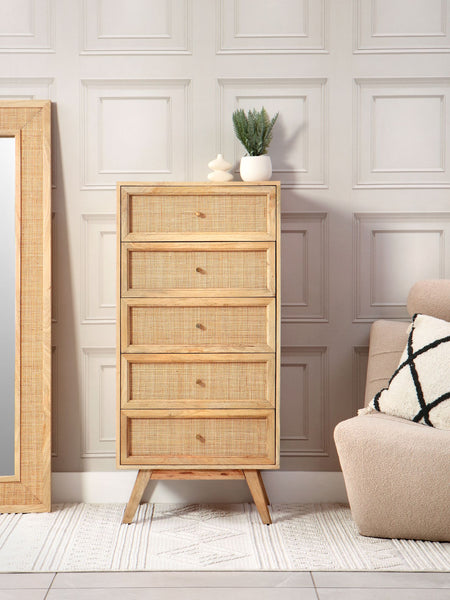
Natural rattan and cane are especially well suited here. They have warmth without visual weight, and they bring a relaxed quality that feels right in light-filled rooms. Upholstered seating still matters, of course, but in a garden room it often works best when balanced with materials that breathe and soften the whole look.
That does not mean every garden room should be furnished in the same way. A compact garden room used as a reading retreat needs something different from a large orangery used for entertaining. The thread running through both is thoughtful comfort - furniture chosen for the way the room is actually lived in.
Start with a seating arrangement, not a shopping list
If there is one idea worth borrowing from good interior design, it is this: begin with how people will sit and move through the room. In many garden rooms, a pair of armchairs and a sofa creates a better foundation than trying to replicate a formal living room suite.
A sofa gives the room an anchor, but armchairs make it flexible. They can face inwards for conversation, angle towards the garden view, or sit beside a lamp for evening reading. In a bright room, this softer arrangement often feels more natural than lining everything up against the walls.
For smaller spaces, two generous chairs with a compact side table between them can be enough. That sort of arrangement leaves breathing room around the furniture and preserves the open quality that made the garden room appealing in the first place.
Choose shapes that soften the architecture
Many garden rooms are built with strong lines - bifold doors, large panes of glass, neat roof lanterns. Furniture with gentle curves can offset that neatly. Rounded arms, woven frames and circular tables take the edge off all that structure.
This is one reason woven furniture works so well. It introduces shape and texture without making the room feel busy. If your garden room has hard flooring, that contrast becomes even more valuable.
Keep comfort honest
There is no point choosing beautiful seating if it only works for twenty minutes at a time. Deep cushions, supportive backs and practical upholstery matter, particularly if the room is used across the seasons. UK-made cushions are worth seeking out because they tend to offer the kind of comfort and finish that stands up to regular use.
Mix furniture types for a room that feels lived in
Some of the best garden room furniture ideas come from resisting the urge to match everything too closely. A room can feel far more settled when seating, storage and tables are chosen to complement one another rather than mirror one another exactly.
A woven sofa and chairs might sit happily alongside a mango wood coffee table. A neat sideboard can add substance to a room otherwise full of lighter forms. An upholstered footstool may soften a corner that would look too stark with another hard piece.
The key is consistency of mood rather than strict uniformity. Natural materials, warm neutrals and tactile finishes tend to hold a scheme together. That gives you room to layer pieces without the space feeling overdone.
Use zoning to make a garden room more useful
A larger garden room benefits from being treated as more than one room. Instead of filling it with a single furniture arrangement, think in zones. A main seating area can sit at the centre, while a quieter chair-and-lamp corner or a small dining setting near the doors adds purpose.
This works particularly well for households that use the space throughout the day. Morning coffee in one corner, reading in another, drinks with friends in the evening - the room starts to feel more generous because it supports different rhythms rather than one fixed activity.
Even compact garden rooms can borrow this idea. A bench with storage, a slim console or a single accent chair can create a secondary use without crowding the floor.
Consider storage as part of the design
Storage is often the missing piece in a garden room. Throws, books, games, candles and everyday clutter all need somewhere to go, especially in a room designed for relaxed living. If they do not have a place, the space can quickly lose its calm.
A sideboard or low cabinet gives the room a sense of permanence and can ground walls that might otherwise be all glass and doorway. Storage baskets also work well, particularly in natural textures that echo the furniture rather than interrupt it.
The useful question is not whether you need storage, but how visible you want it to be. Open shelving can feel decorative, though it asks for discipline. Closed storage is usually easier to live with.
Choose tables that earn their place
Coffee tables and side tables often decide whether a garden room feels practical or merely styled. In a bright, relaxed space, tables usually need to be smaller and more mobile than those in a formal lounge.
Nesting tables are a sensible choice if the room is used for entertaining, because they can expand when needed and tuck away when not. A round coffee table keeps movement easy, especially where seating sits close to doors. Side tables beside chairs are rarely wasted - people will always need somewhere to put a cup, a book or a pair of glasses.
What matters most is proportion. In garden rooms, oversized tables can interrupt the flow and make the furniture grouping feel heavier than it should.
Let texture do more of the work than colour
In rooms filled with natural light, colour behaves differently. Strong shades can feel harder at midday than they do in a shaded sitting room. That is why many successful garden rooms lean on texture first - woven surfaces, soft upholstery, timber grain and layered fabrics.
This does not mean everything should be beige. Sage, stone, soft blue, olive and muted terracotta all sit beautifully in these spaces. But they usually work best when grounded by natural materials rather than competing with them.
A restrained palette also gives longevity. Garden rooms are often long-term investments, and furniture tends to feel more enduring when it is not trying too hard to follow a passing fashion.
Dress the room for all seasons
A well-furnished garden room should not only look right in July. It needs enough warmth and softness to feel inviting in October and February too. This is where textiles quietly transform the space.
Throws, cushions and an underfoot rug make a room feel settled and seasonally adaptable. In summer, the room can stay light and airy. In cooler months, those softer layers give it a cocooning quality without changing the furniture itself.
It is also worth thinking about lighting early on. Table lamps and floor lamps help a garden room make the shift from daylight space to evening room. Without them, even beautifully chosen furniture can feel unfinished after dusk.
Match the furniture to the way you actually live
The most useful of all garden room furniture ideas is also the simplest: be honest about how the room will be used. If it is where you read the papers every morning, prioritise a truly comfortable chair. If grandchildren use it at weekends, choose forgiving layouts and sturdy tables. If it becomes the room you retreat to at the end of the day, softness and atmosphere matter more than formality.
This is where specialist furniture earns its keep. Pieces designed for conservatories, orangeries and garden rooms understand the demands of these spaces better than generic living room furniture often does. They are made to sit comfortably in bright interiors, and to feel right in rooms that blur the line between house and garden.
For more than a century, Desser has understood that way of living. Not as a trend, but as a distinct kind of home comfort built around light, natural materials and rooms people genuinely want to spend time in.
A good garden room does not need filling for the sake of it. It needs a few well-judged pieces, enough texture to catch the light, and furniture that invites you to stay a little longer than you planned.