A conservatory is designed to welcome the light in. Yet the very thing that makes it such a pleasant place for morning coffee, family lunches and a quiet read can gradually change the appearance of the room. Conservatory furniture fading is usually most noticeable on cushions, throws and rugs, but it can also affect timber finishes and natural materials over time.
The answer is not to keep the blinds shut and lose the reason you chose a light-filled room in the first place. It is to understand where exposure is greatest, choose materials with care and build a few simple protective habits into the way you use the space. Done well, a conservatory, orangery or garden room can remain bright, comfortable and beautifully lived-in for years.
Why conservatory furniture fading occurs
Ultraviolet light is the principal cause. Even when a room does not feel particularly hot, UV rays can break down colour pigments in fabric and finishes. South-facing and west-facing rooms tend to see the quickest change because they receive the strongest and longest periods of direct sunshine, particularly through late spring and summer.
Heat adds to the effect. A cushion left in a sun trap day after day is under greater strain than one in a well-ventilated garden room with filtered light. Reflections matter too. Pale floors, large glazed doors and nearby walls can bounce light back onto the same side of a chair or sofa, creating uneven fading that is easy to miss until cushions are moved or turned over.
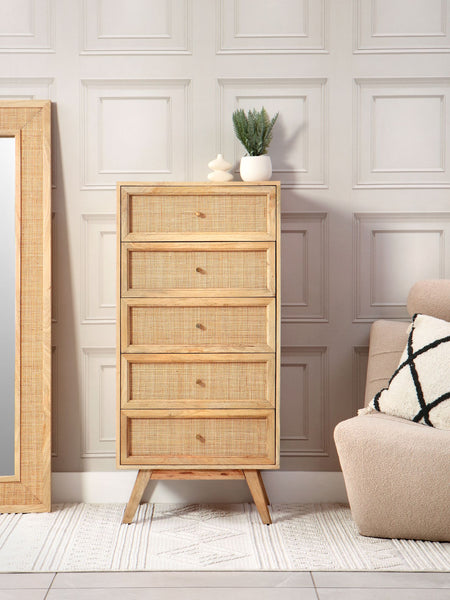
Natural materials respond differently from manufactured surfaces, and this is part of their character. Rattan and cane may deepen gently in tone as they settle into a home. This is not necessarily damage, but a gradual mellowing that can lend a room warmth. The concern is excessive, uneven exposure, which can leave one arm, panel or cushion looking noticeably different from the rest.
Start with the room, not just the furniture
Before choosing a fabric or rearranging a suite, spend a few days observing how the sun moves through the room. Notice where it falls at breakfast, during the afternoon and in the early evening. The brightest spot in January may not be the area that receives the most intense sun in July.
This small exercise often explains why one chair has faded faster than another. It also helps you plan the room more intelligently. A reading chair may be best positioned where there is soft morning light, while a side table, plant stand or occasional piece can occupy the brightest patch. Furniture for relaxed living should suit the room's rhythms rather than fight them.
Where possible, leave a little breathing space between furniture and glazing. This reduces the build-up of heat immediately around frames and cushions, while allowing air to circulate. In a compact conservatory this may only mean moving a sofa forward by a few centimetres, but it can make a worthwhile difference.
Use shade as a comfort measure
Blinds, roof shades and curtains are often thought of as privacy features, but they are equally useful for protecting interiors. The best approach depends on the room. Roof blinds can soften the most concentrated overhead glare, while fitted side blinds are helpful where low evening sun reaches straight across seating. Curtains may suit an orangery or extension where a more furnished, layered look is wanted.
You do not need to close everything whenever the sun appears. Drawing shades during the few hours when direct light is strongest is usually enough. This protects fabrics and makes the room more comfortable to sit in, especially during warm spells.
For a garden room with wide doors, consider how the doors are used as well. If one side of the room gets full afternoon sun, closing a blind or partially screening that elevation while the room is empty can be a sensible routine. It is a small adjustment that preserves the ease of the space when you return to it later.
Choose fabrics with everyday life in mind
Colour choice has a role, although it is not as simple as choosing only pale fabrics. Lighter shades can make a room feel airy and are often less likely to show subtle fading immediately. Deeper colours can be richly inviting, but may need more considered placement away from prolonged direct sun. Patterned fabrics, textured weaves and softly mottled tones can also disguise minor changes more gracefully than a completely flat, solid colour.
The quality of the fabric and its dyeing process matter as much as shade. When investing in cushions, ask how the fabric is intended to perform in a bright indoor setting and request swatches where available. Look at them in your own room at different times of day, rather than relying solely on a screen or showroom lighting.
At Desser, UK-made cushions are designed to bring lasting comfort to the light-filled spaces people use every day. Even so, every fabric benefits from sensible care. No furnishing is entirely immune to persistent sunlight, and honest guidance is more useful than a promise that ignores the realities of a glazed room.
Simple habits that prevent uneven fading
The most effective care is usually uncomplicated. Turn loose cushions regularly, particularly on seats closest to windows. Swap them from one end of the sofa to the other every few weeks, and rotate reversible cushions so that the same face is not always exposed.
If a chair or sofa has removable cushions, take the opportunity to vacuum beneath them and check for areas receiving concentrated sunlight. Moving a throw, a lamp or a side table can reveal a line of exposure that has gone unnoticed. These moments of routine housekeeping are also a chance to rebalance the room.
When you are away for a holiday, close blinds or draw curtains during the brightest part of the day. There is no need to cover every piece of furniture, but reducing several days of uninterrupted exposure is prudent. In exceptional heat, ensure the room is ventilated according to its design, as trapped heat can make both fabrics and finishes feel the strain.
Avoid placing damp throws or cushions in direct sunlight to dry quickly. Gentle air drying is kinder to fibres and helps retain their shape as well as their colour. The same principle applies to cleaning: use the method recommended for the specific fabric, and do not assume that a stronger cleaner will produce a better result.
Caring for natural rattan, cane and wood
Natural rattan and cane are particularly well suited to interiors that blur the line between home and garden. Their open, tactile structure gives a room visual lightness, and their tone sits easily alongside plants, stone, timber and painted finishes. Like all natural materials, however, they appreciate consistency.
Keep frames free from dust with a soft brush attachment or a dry, soft cloth, paying attention to the weave. Dust can settle into the surface and dull its appearance over time. A lightly dampened cloth may be suitable for occasional marks, but do not soak the material or use harsh cleaning products. Allow it to dry naturally, away from direct heat.
For mango wood tables and storage pieces, coasters, placemats and prompt attention to spills will help protect the finish. Try not to leave a table half in sun and half in shade for months at a time, particularly beneath a large glazed roof. Shifting decorative objects now and then prevents distinct outlines and allows the surface to age more evenly.
When a little change is simply part of the story
There is a difference between avoidable fading and the gentle evolution of a well-loved room. Natural fibres, rattan, cane and wood are not meant to look frozen in time. A subtle deepening of colour can make them feel more settled and personal, especially as the seasons change outside the glass.
The aim is not perfection. It is balance: enough daylight to make the room feel connected to the garden, enough shade to preserve comfort, and furniture chosen for its ability to live beautifully with you. With thoughtful placement and a little regular care, your conservatory can keep its warmth and character without asking you to retreat from the light.