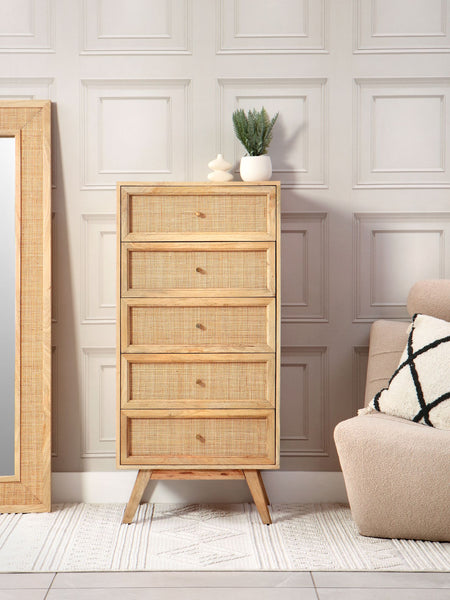
A living room can feel finished on paper and still fall flat in real life. The layout works, the paint is right, the sofa is comfortable enough - yet the room lacks warmth, texture and that easy sense of calm people actually want to come home to. That is often where cane furniture for living room spaces earns its place. It brings lightness without feeling slight, character without fuss, and a natural texture that soft furnishings alone rarely achieve.
For many homes, especially garden rooms, orangeries, extended kitchens and brighter sitting rooms, cane sits naturally within the architecture. It belongs in spaces where daylight moves across the room and the furniture needs to feel relaxed rather than heavy. Done well, it does not read as a theme or a passing look. It simply feels right.
Why cane furniture suits the modern living room
There is a reason natural cane has endured in British homes for generations. It has an ease about it that upholstered and painted furniture often cannot match. The woven detail softens a room, while the frame keeps the overall look open and breathable.
That matters more than many people expect. In a living room with wide glazing, roof lanterns or doors onto the garden, bulky furniture can stop the room feeling as light as it should. Cane allows the eye to travel through the space. Even larger pieces feel visually gentler, which is especially useful in rooms that need to work hard through the day - morning coffee, family time, evening reading and occasional entertaining.
It also sits comfortably between styles. In a period house, it can feel entirely at home against original features and softer colour palettes. In a newer extension, it brings texture and a sense of craft that balances cleaner architectural lines. That flexibility is part of its lasting appeal.
How to choose cane furniture for living room spaces
The first question is not which chair or sofa you like most. It is how the room is used. A formal sitting room calls for something different from a family garden room used every day. If the space is where people settle for long afternoons, comfort must lead. If it is a lighter reception room used more occasionally, shape and proportion may matter more.
Seat depth is a good place to start. Deeper seats feel more relaxed and are often better for lounging, while more upright designs suit conversation and smaller rooms. Cushion quality matters just as much. Well-made cushions give cane furniture its comfort and help it feel like a true part of the home rather than occasional seating brought in to fill a corner.
Scale deserves proper attention too. Cane furniture has a naturally airy appearance, but that should not tempt you into choosing pieces that are too large for the room. Measure carefully, and think about walking routes, sightlines and the space needed around coffee tables or footstools. A room feels better when furniture has room to breathe.
Then there is the matter of balance. A full cane suite can look wonderfully coherent in some spaces, particularly conservatories and garden rooms. In a more traditional living room, a mixed arrangement may feel more settled - perhaps a cane sofa with an upholstered armchair, or a pair of cane chairs set alongside a timber sideboard and a generous rug. It depends on the character of the room and how layered you want the scheme to feel.
The details that make cane furniture feel considered
Natural materials ask for a slightly more thoughtful eye, but they reward it. Cane has texture already, so it often works best when the rest of the room does not compete too hard. Walls in chalky neutrals, muted greens, soft blues or warm earthy tones tend to let the material speak for itself.
That does not mean everything should be pale. Darker painted walls can make woven frames stand out beautifully, particularly if the room has good natural light. The key is contrast with restraint. If every surface is making a statement, cane can lose the quiet confidence that makes it so appealing.
Fabrics are where comfort and personality come together. Printed cushions can work very well, but they are best used with a clear hand. Botanical motifs, ticking stripes and textured plains all sit happily with cane, especially in rooms that lean into a gentle indoor-outdoor feel. If the room already has patterned curtains or a strong rug, simpler upholstery may keep the scheme grounded.
Tables and storage should support the look rather than interrupt it. Mango wood, glass and natural woven accessories all tend to complement cane well. Metals can work too, though they are often most effective in small touches such as lighting or hardware, rather than as dominant finishes.
Cane furniture for living room comfort, not just appearance
One of the more persistent misconceptions about cane furniture is that it is chosen mainly for looks. In truth, the best pieces are built for everyday use. A well-designed frame has a gentle resilience, and when paired with properly made cushions it offers a level of comfort people often do not expect until they sit down.
This is where craftsmanship matters. Shape, support and the quality of the weave all influence how a piece performs over time. Cushions made in the UK, tailored to the frame, can make a notable difference not just to comfort but to the overall finish of the room.
There is also something pleasingly practical about furniture that feels substantial without making a room feel crowded. In homes where the living space connects to the garden or where sunlight changes the mood of the room hour by hour, that sense of lightness is part of comfort too. It helps the room feel easier to live in.
Where cane works best in the home
Although the phrase living room brings to mind a classic sitting room, many of the spaces people are furnishing now are broader and less fixed in purpose. A garden room may need seating for reading, working and hosting. An orangery may open into the kitchen and become the natural place everyone gathers. A side extension may function as both family room and quiet retreat.
These are exactly the spaces where cane tends to come into its own. It is well suited to light-filled interiors and rooms that blur the boundary between indoors and out. That is one reason a long-established specialist such as Desser has remained so relevant. The material has always belonged in these spaces, even as the names and layouts of the rooms have changed.
That said, suitability still depends on the atmosphere you want. If your living room is compact, heavily shaded and formal, cane may work best in smaller doses - an accent chair, occasional table or storage piece rather than the main seating. If the room is bright and open, you can be bolder.
Caring for cane furniture in everyday life
Natural cane does not ask for complicated upkeep, but it does appreciate sensible care. Regular dusting keeps the weave looking fresh, and a soft brush attachment is useful for getting into detailed areas. Cushions should be plumped and rotated from time to time so they wear evenly.
As with any natural material, environment plays a part. Cane is happiest in indoor spaces where conditions are reasonably consistent. Very dry heat or prolonged damp can affect how any natural furniture performs over the years, so it is worth thinking about placement near radiators, stoves and areas prone to condensation.
Most of all, treat it as part of the home rather than something precious. The charm of cane lies in its lived-in elegance. It should be used, enjoyed and allowed to settle naturally into the rhythm of the room.
A material with staying power
Trends come and go, often faster than a good room can reasonably be redecorated. Cane has lasted because it offers more than a look. It brings texture, warmth, craftsmanship and a kind of visual ease that suits the way many people want to live now.
If you are furnishing a living room that needs to feel lighter, calmer and more connected to the rest of the home, cane is worth serious consideration. Not because it is fashionable, but because it has a way of making a room feel settled from the start - and more inviting with every passing season.