A garden room can look finished on the day the furniture arrives, yet furniture longevity is decided much earlier: in the material, the frame, the joinery and the choices made for the room itself. For spaces filled with daylight and used from breakfast through to late evening, a good piece should not simply look right. It should become easier to live with over the years.
The most enduring homes are rarely furnished all at once. They are built patiently, with pieces chosen for their comfort, character and ability to stay useful as family life changes. That is why longevity is not only a question of how long a chair remains standing. It is about whether it remains a pleasure to sit in, care for and look at.
What Furniture Longevity Really Means
A long-lasting piece of furniture brings together three qualities: sound construction, appropriate materials and a design that will not feel tired after a short season. Miss one of these and the others cannot entirely compensate. A beautiful shape is of little comfort if the seat loses support; an exceptionally solid frame may still become surplus to requirements if it does not suit the way a room is used.
For conservatories, orangeries and garden rooms, this balance matters especially. These are often the most adaptable rooms in the house: a quiet corner for reading one day, a place for Sunday lunch the next, then an extra sitting room when friends visit. Furniture needs to offer relaxed comfort without becoming precious or impractical.
Longevity also has an environmental dimension. Keeping a well-made chair, sofa or table in use for many years is usually a more considered choice than repeatedly replacing short-lived furniture. Buying less often asks more of the original decision, but it rewards you with a home that gains familiarity and confidence over time.
Furniture Longevity Begins With the Right Material
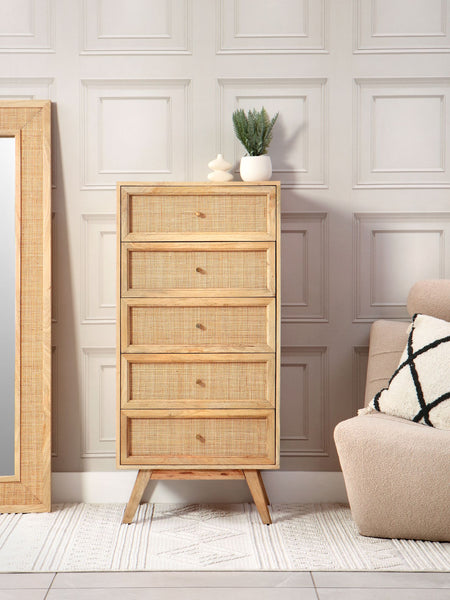
Materials should be chosen for the room, rather than simply for a photograph. Natural rattan and cane have a lightness that feels particularly at home in bright, planted spaces. Their woven character brings texture without visual heaviness, while a well-made frame offers the strength needed for everyday seating. Each piece also has subtle variation, which is part of the appeal of a natural material.
Natural rattan is best appreciated indoors, in the light-filled spaces for which it is so well suited. A conservatory or garden room should still be managed with care. Regular ventilation is helpful, and furniture should not sit for prolonged periods against a damp external wall or directly beside a strong heat source. In rooms with intense sun, blinds or shading can protect both the furniture and fabrics from unnecessary fading.
Wooden furniture deserves the same thoughtful approach. Mango wood offers warmth, grain and a satisfying sense of substance, but, like all timber, it benefits from a stable indoor environment. Use coasters beneath hot drinks, deal promptly with spills and avoid placing tables where they will endure constant heat or wetness. Small habits preserve the finish and allow the natural character of the wood to remain visible.
Upholstery is where comfort and practicality meet. A supportive cushion filling, quality fabric and removable covers where appropriate can make a meaningful difference to daily life. The best choice depends on the household. A pale linen-look fabric may be exactly right for a peaceful orangery, while a more forgiving weave may better suit a busy family room with children, pets and frequent visitors.
Look beyond the surface
It is tempting to judge furniture by colour and silhouette alone, particularly when furnishing a newly completed extension. Instead, take time to look at the parts that do the quiet work. Sit in the chair for more than a moment. Notice whether the arms feel comfortable, whether the seat depth suits you and whether the back gives support in the position you naturally adopt.
For tables and storage, consider the weight, stability and finish of the piece. Open and close drawers. Look for well-fitted components and a reassuring feel rather than rattles or strain. With woven furniture, examine the consistency of the weave and the solidity of the frame beneath it. Craft is often most apparent in the details that do not call attention to themselves.
Construction Is Comfort You Can Trust
Furniture is expected to carry the rhythm of ordinary life: cups of tea, feet tucked beneath you, grandchildren climbing onto a sofa, a bag placed on the table after a day out. Durable construction is not about making a room feel formal. It is what allows it to feel properly lived in.
A strong frame is the foundation of comfortable seating. In natural rattan furniture, the quality of the frame, the shaping of the material and the care of the weaving all influence how the piece performs over time. Cushions matter too. They should retain their shape, offer practical support and be made to complement the frame rather than merely disguise it.
British-made cushions bring another advantage: a closer connection between design, fabric choice and finish. They allow a room to feel personal, whether the preference is for soft neutrals that settle into a calm garden room or a richer pattern that gives an orangery more presence. When cushions can be refreshed or re-covered in time, the frame can remain part of the home for longer.
There is, of course, a trade-off. Lighter furniture can be easier to move and rearrange, which is useful in a multi-purpose room. Heavier pieces may feel more substantial and fixed in place. Neither is automatically better. The right choice depends on whether you want a flexible space for entertaining, a settled reading room, or something between the two.
Choose a Design You Will Want to Keep
Furniture longevity is partly emotional. A piece can remain structurally sound yet be replaced because it was selected for a fleeting look rather than a lasting affinity. Timelessness does not mean every room must be neutral or restrained. It means choosing forms and materials that leave room for your life to evolve around them.
Natural textures are particularly useful in this respect. Rattan, cane and wood sit easily alongside changing wall colours, new cushions, artwork and planting. A well-proportioned occasional chair can move from conservatory to bedroom; a side table can find a new purpose beside a sofa or in a hallway. Furniture with this quiet adaptability tends to earn its place.
Before buying, consider the scale of the whole room. A generous sofa may be inviting in a large extension but overwhelm a compact conservatory. Equally, furniture that is too slight can make a spacious garden room feel unfinished. Measure carefully, allowing for walking routes, doors and the way people naturally gather. The pieces that last are often those that make a room function better from the beginning.
Build the room in layers
Rather than treating every item as a separate purchase, think about how seating, tables, storage and soft furnishings will work together. A coherent room is easier to update gradually because its foundations are already right. A quality chair can stay while a lamp, rug or cushion fabric changes around it.
This approach also prevents overbuying. Leave some breathing space around furniture, particularly in rooms designed to connect with the garden. Natural light, a view and a comfortable place to pause are often more valuable than filling every corner.
Care That Protects the Years Ahead
Good furniture should be enjoyed, not constantly fussed over. Most care is straightforward and works best when it becomes routine. Dust natural woven frames with a soft brush attachment or a dry cloth, reaching gently into the weave. Wipe wooden surfaces with a lightly damp cloth, then dry them rather than leaving moisture to sit.
Turn and plump loose cushions regularly so that fillings wear more evenly. Follow the care guidance for the chosen fabric, and address spills promptly by blotting rather than rubbing. If a room is unheated for parts of the year, keep an eye on ventilation and humidity. A little attention at seasonal changes can prevent problems before they take hold.
Avoid using harsh cleaners or soaking natural materials. If a finish becomes marked or a cushion needs more specialist attention, seeking advice early is generally wiser than trying an aggressive treatment at home. Care should preserve the material's natural qualities, not erase them.
At Desser, more than a century of working with natural materials has shown that the furniture people value most is rarely the loudest. It is the chair that becomes everyone's preferred place to sit, the table that gathers the family, the woven detail that still catches the afternoon light years after it first arrived.
Choose pieces with honest materials, comfortable proportions and craftsmanship you can feel. Give them a room where they can perform well, then let them become part of the way you live.