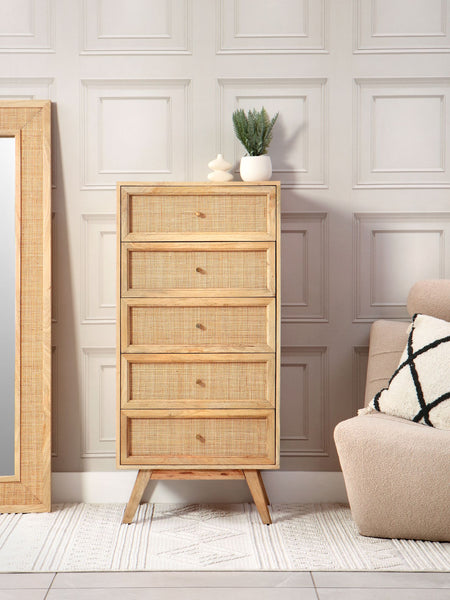
A well-made rattan chair beside a deep-painted wall, a linen cushion softened by years of use, a timber table marked by the life around it: heritage interior styles are less about recreating a particular period than giving a room a sense of continuity. They allow a new garden room, orangery or extension to feel settled from the start - connected to the character of the house, while entirely suited to the way you live now.
For light-filled spaces especially, this approach offers a welcome alternative to rooms that feel overly polished or temporary. It favours natural materials, useful furniture and details that earn their place over time. The result should feel comfortable rather than formal, considered rather than themed.
What Defines Heritage Interior Style?
Heritage style begins with respect for materials and proportion. It takes cues from the past - traditional joinery, woven fibres, time-honoured shapes, layered textiles and enduring colour - without insisting that every piece is antique or that a room must belong to one era.
This is an important distinction. A heritage-led room can sit comfortably within a Victorian house, a 1930s semi or a contemporary extension. What matters is that the furniture has visual substance and the finishes feel believable in their surroundings. A low, sprawling sofa may be perfect for a media room, for instance, but can look out of place in a conservatory with slender glazing and views of the garden. A rattan lounge chair, generously cushioned and grounded by a substantial occasional table, often answers the space more naturally.
The strongest rooms combine three qualities: craftsmanship you can see, materials that improve with age, and enough restraint for the architecture and daylight to breathe. Heritage is not about filling every surface with objects from the past. It is about choosing pieces with a lasting presence.
Start With the Room, Not a Period
Before choosing furniture, consider how the room connects to the rest of the home. Is it a sunlit place for morning coffee, an all-day family sitting room, or somewhere for long summer evenings with friends? Its purpose should shape the layout before any decorative decision is made.
In a garden room, views and movement matter as much as the furniture itself. Keep the central route to doors and glazing clear, then arrange seating to face either the garden or one another. This makes the room feel sociable without turning it away from its surroundings. In a larger orangery, two smaller seating groups can feel more inviting than one oversized arrangement.
Period references are best used lightly. A classic cane-frame silhouette, a turned wood leg or a tailored cushion border can lend character without making the room feel like a set. If your home has original features, let them lead. Floorboards, a fireplace surround, old brickwork or traditional panelled doors provide more than enough historical context.
Choose a Palette With Depth
Heritage palettes tend to be calm but not bland. They take their lead from natural pigments and familiar British landscapes: chalky stone, oatmeal, moss, russet, faded blue, warm clay and deep olive. These colours are particularly effective in rooms with plentiful daylight, where they shift gently from morning to evening.
Begin with a quiet base on walls and larger upholstery, then introduce contrast through timber, woven furniture and textiles. Darker tones can work beautifully in a bright extension, particularly on a single wall or in painted cabinetry, because the surrounding light prevents them from feeling heavy.
Avoid trying to match every finish precisely. A room gains warmth from a measured mix: honeyed wood beside a weathered ceramic lamp, a soft neutral rug beneath a darker rattan frame, or a patterned cushion against plain upholstery. The common thread should be warmth, not uniformity.
Natural Materials Make the Difference
The material choices are where heritage interior styles become tangible. Natural rattan and cane bring texture that painted or upholstered pieces alone cannot provide. Their open weave catches the changing light, while their visual lightness makes them especially well suited to conservatories and garden rooms.
Rattan also has an ease that matters in spaces positioned between house and garden. It feels refined without being precious, and its organic character sits comfortably alongside planting, stone floors, painted timber and large areas of glass. With well-made cushions in a considered fabric, it becomes a proper place to settle, not simply furniture for occasional use.
Balance woven furniture with pieces of visual weight. Mango wood side tables, a substantial coffee table or a painted storage cabinet prevent an airy room from feeling insubstantial. Add tactile layers through wool, linen, cotton and ceramics rather than relying on a collection of small decorative accessories.
There is a practical consideration here too. Light-filled rooms can experience changes in temperature and strong sun. Choose fabrics appropriate to the conditions, use blinds or shading where needed, and position furniture with some thought rather than pressing every piece against the glass. Heritage style should support everyday comfort, not demand constant care.
Make Comfort Part of the Design
A heritage-inspired space should never feel like a room that must be admired from a distance. Generous seat cushions, supportive backs and occasional tables within easy reach make the difference between a room that photographs well and one that is used every day.
Consider scale carefully. In a compact conservatory, a pair of armchairs with a neat round table may offer more flexibility than a large corner arrangement. In a broad extension, a sofa and two chairs can create a more balanced conversation area, with a footstool that doubles as extra seating when family visit.
Cushions are an opportunity to add individuality, but they should not compete with the furniture. One small-scale check, a muted botanical print and a plain textured weave are often enough. If the frame has a distinctive weave or the room has patterned flooring, keep the surrounding fabrics simpler.
Desser has spent more than a century working with natural rattan, and that experience is apparent in furniture designed for relaxed, light-filled living. UK-made cushions allow comfort and fabric choice to sit alongside the character of the frame, rather than being an afterthought.
Mix Old and New Without Losing the Thread
The appeal of heritage style lies partly in its ability to make different generations of furniture feel at home together. A contemporary lamp can sit on an older-looking occasional table. Clean-lined storage can work beside a traditionally shaped armchair. The key is to repeat one or two elements across the room, such as a warm timber tone, aged brass finish or earthy textile palette.
Be wary of buying everything at once from one source or in one finish. Rooms with character tend to develop in layers. Leave some space for a painting found on holiday, a useful basket, a family photograph in a simple frame, or a handmade pot. These are the details that stop a carefully furnished room from feeling staged.
Equally, editing is part of the process. Heritage does not mean clutter. Let one large artwork, a beautiful lamp or a well-proportioned cabinet have room to register. A few meaningful objects will always feel more convincing than a crowded shelf of decorative pieces.
A Style That Can Settle In Over Time
The most successful heritage interiors are not finished on installation day. They are designed with enough calm and quality to accommodate changing seasons, changing routines and the small additions that make a house feel personal.
Choose the chair you will genuinely sit in with a book, the table that will take a vase of garden cuttings, and the fabrics you will be happy to live alongside every day. When furniture is made from honest materials and chosen for the room it serves, character has a chance to grow naturally.