A garden room can look beautifully finished on paper, then feel unexpectedly stark once the glazing is in place. Hard floors, open views and strong daylight call for furniture with warmth, texture and a little visual ease. That is why the most enduring rattan trends are less about a passing look and more about creating rooms that feel settled, comfortable and connected to the garden beyond.
For homeowners furnishing an orangery, conservatory, extended kitchen or dedicated garden room, natural rattan offers something particularly valuable: presence without heaviness. Its hand-woven character softens modern architecture, while its open form allows light to move freely through a room. The result is relaxed, but still considered.
Rattan trends are moving beyond the conservatory
Natural rattan has long been at home in conservatories, yet its appeal now reaches much further. The spaces people are creating have changed. A garden room may be a reading retreat during the week, a family sitting room at the weekend and an entertaining space by evening. An extension may need to bridge a contemporary kitchen and an established home. Furniture must work hard, but it should never make a light-filled space feel over-furnished.
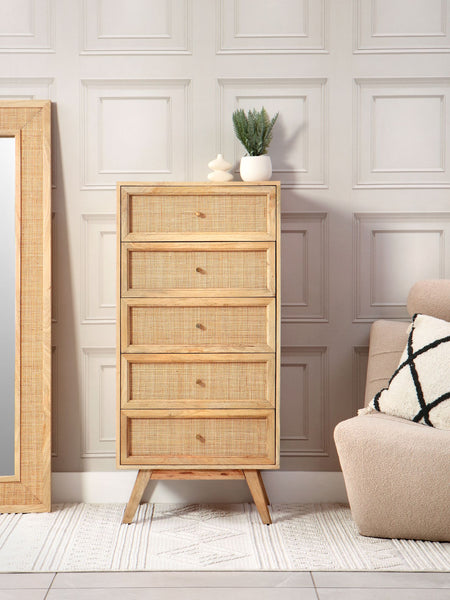
This is where rattan earns its place. Rather than being treated as a separate category of furniture, it is being chosen as part of a wider, more relaxed approach to interiors. A pair of rattan lounge chairs can bring texture to a kitchen extension; a generous sofa can anchor a garden room; a cane-fronted cabinet can add detail to a quieter corner without introducing visual clutter.
The strongest look is not overly themed. It combines natural materials with pieces that have genuine purpose: a timber occasional table beside a rattan chair, an upholstered footstool for extra seating, linen-look cushions and a lamp that makes the room inviting once daylight fades. This layering makes a space feel lived in rather than dressed for a photograph.
Softer silhouettes and deeper comfort
One clear shift within current rattan trends is towards comfort that looks as good as it feels. Fine, upright occasional chairs will always have a place, but homeowners are increasingly drawn to broader arms, supportive backs and seating that welcomes an unhurried afternoon. In rooms designed around views of the garden, the furniture should encourage people to stay awhile.
This does not mean every piece needs to be oversized. Proportion remains essential, particularly in a narrow conservatory or a garden room with doors opening on several sides. The right arrangement leaves enough room to move easily, keeps access to the garden clear and gives each seat a natural relationship with the view. A compact two-seater with an armchair and footstool may feel more generous in use than a larger suite that fills the floor.
Cushions are central to this sense of ease. Well-made, supportive cushions transform rattan from occasional seating into furniture for everyday living. Choosing a fabric is also an opportunity to set the room's character. Calm oatmeal, stone and warm grey allow the weave to take the lead. Olive, rust, soft blue or a restrained botanical pattern can establish more of a garden-room mood without becoming overly decorative.
The return of warm, honest materials
The appetite for natural materials is not simply about appearance. Many people are choosing fewer, better pieces and want to understand what they are bringing into their homes. Rattan, cane, mango wood and woven textiles each carry small variations in tone and texture. Those details give a room depth that uniform finishes often cannot.
Natural rattan is especially effective alongside timber because the materials share a quiet warmth while offering contrast. Rattan has a lighter, more open structure; mango wood brings solidity and a grounded feel. Together, they can stop a large glazed room feeling either too airy or too heavy. Add a wool-blend throw, ceramic table lamp or woven shade and the scheme gains interest without losing its calm.
There is a practical side to this preference as well. Natural materials ask for a little understanding, rather than a completely hands-off approach. Rattan is best suited to indoor spaces, including conservatories and garden rooms that are protected from the elements. It should not be left exposed to prolonged rain, frost or excessive damp. In return, it brings a quality of texture and craftsmanship that rewards proper care over many years.
A less matched, more personal room
Perfectly matched furniture suites remain a straightforward choice, especially for larger spaces where consistency matters. Yet a more considered mix is becoming increasingly popular. The aim is cohesion, not uniformity.
Start with the largest piece, usually a sofa or pair of armchairs, then introduce complementary furniture in a related tone. A rattan seating group may sit comfortably with a painted side table, a mango wood coffee table and one upholstered accent chair. Repeating one or two elements - perhaps warm timber, brushed metal or a particular fabric colour - keeps the room composed.
This approach is useful when a home evolves over time. You may be furnishing a new garden room now but already have a favourite lamp, inherited table or upholstered chair that deserves to stay. Natural rattan is accommodating in this respect. It can sit alongside traditional joinery, contemporary glazing and softer modern upholstery without appearing out of place.
How to make the look feel intentional
The most successful mixed rooms tend to observe a few quiet rules. Keep the scale of seating comparable, choose a clear palette of two or three main tones, and leave some breathing space around the furniture. If the rattan frame is richly toned, lighter fabrics and pale walls can prevent the scheme becoming too dense. If the room is very pale, deeper cushions or timber pieces add welcome definition.
Lighting deserves equal attention. Daylight may sell a garden room, but evening lighting determines whether it remains part of the home after sunset. A floor lamp beside a reading chair, a shaded table lamp on a console and warm pools of light around the seating area make rattan's woven detail especially appealing.
Furniture designed around the room, not the label
The phrase “conservatory furniture” can be useful, but it no longer captures the variety of rooms people are furnishing. The same rattan chair might belong in a bay-fronted garden room, a converted side return, an orangery or a bright upstairs landing. What matters is how the space is used.
For conversation and entertaining, favour facing sofas or a sofa-and-chairs arrangement with a central table. For a quieter retreat, a pair of lounge chairs angled towards the garden can be enough. In a room that doubles as a family space, an upholstered sofa may provide the everyday anchor, with rattan armchairs bringing lighter, more flexible seating around it.
Storage is another increasingly useful consideration. Garden rooms often collect throws, games, books and the practical pieces of family life. A well-proportioned cabinet, occasional table with a shelf, or sideboard in natural timber keeps the room functional while preserving its sense of escape. The best interiors allow life to happen without looking permanently busy.
Why craftsmanship still matters
Trends can inspire a new scheme, but a home deserves furniture chosen for longer than a season. The quality of the frame, the weave, the cushion construction and the finish all affect how a piece looks and feels over time. These are details worth seeing in person where possible, particularly when choosing seating for a space used every day.
Desser has worked with natural rattan for more than a century, and that specialist knowledge matters when selecting furniture for bright, demanding rooms. Thoughtful construction and UK-made cushions provide the reassurance that relaxed living need not mean compromising on longevity.
There is also value in allowing the material to be itself. Small tonal variations and the hand-finished nature of natural rattan are part of its character, not flaws to conceal. In a home increasingly shaped by individual choices rather than showroom replicas, that character is precisely what helps a room feel personal.
A well-chosen rattan piece does more than follow the look of the moment. Place it where the morning light falls, add a cushion colour you will enjoy through every season, and let the room become somewhere people naturally gather.