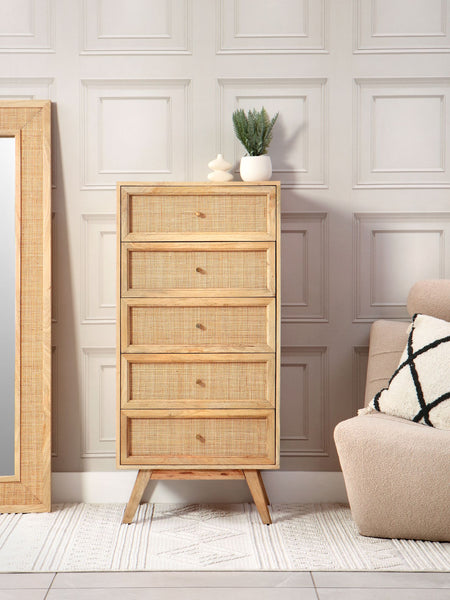
A garden room is often built to bring more daylight, more garden and more breathing space into everyday life. Sustainable furniture should support that feeling. It is not simply a question of choosing a natural-looking material or following a passing interiors trend. It is about selecting pieces with a clear provenance, a long useful life and the comfort to become part of the way you live.
For light-filled conservatories, orangeries and extended living spaces, this matters particularly. These rooms are where family breakfasts stretch into slow Sundays, where friends gather after dinner and where a favourite chair earns its place through years of use. Furniture chosen thoughtfully can make the space feel settled from the start, while reducing the need to replace it a few seasons later.
What makes furniture genuinely sustainable?
There is no single label that makes a piece of furniture sustainable. The more useful question is whether it has been made from considered materials, by skilled hands, for a life beyond short-term fashion. A well-made chair that is used and cared for over decades can be a more responsible choice than a lower-priced alternative that needs replacing after only a few years.
Material is central, but it is only one part of the story. Responsible sourcing, the energy and skill involved in production, durability, repairability and what happens at the end of a product's life all deserve consideration. A piece should also suit the room it is intended for. Buying furniture that is right for the space reduces the likelihood of an expensive, wasteful compromise later.
Natural rattan has an enduring place in this conversation. It is a fast-growing climbing palm, valued for its strength, flexibility and lightness. Its distinctive character comes from the natural variation in every length of cane, so it brings a warmth and texture that feels at home beside planting, painted brick, timber floors and wide expanses of glass.
Sustainable furniture starts with materials that endure
Natural materials are not automatically the right answer in every circumstance, but they offer qualities that are difficult to improve upon when chosen well. Rattan is both strong and comparatively light, making it practical for spaces that need to work in different ways throughout the year. A generous sofa can define a garden room, while an occasional chair can be moved towards the sun, drawn into conversation or placed beside a reading lamp with ease.
Mango wood is another material worth understanding. Often valued for its rich grain and mellow tone, it can bring visual weight and permanence to a room balanced by the openness of rattan. Wooden tables, cabinets and storage pieces work especially well in larger extensions, where a combination of natural textures helps the space feel connected rather than overly matched.
The finish matters as much as the frame. Natural fibres and timber reward careful maintenance, and they should be selected with an honest understanding of their setting. Indoor furniture is best kept in enclosed, weather-protected rooms rather than exposed outdoor areas. In a conservatory or garden room, gentle ventilation, sensible positioning and protection from prolonged harsh sunlight will help preserve its appearance.
Longevity is the most useful measure
A sustainable choice should not ask you to sacrifice comfort or character. In fact, the furniture most likely to stay in a home is often the furniture that is genuinely comfortable, proportioned properly and made with care. If a sofa is pleasant to sit on, its cushions retain their support and its shape continues to suit the room, it becomes part of family life rather than an item to be reconsidered at the next redecorating project.
Look closely at construction. A strong frame, neatly finished joins and well-tensioned cane are signs of furniture designed for regular use. Cushions deserve equal attention. Removable covers can make everyday care easier, while quality fillings and tailored upholstery help seating maintain its inviting appearance. British-made cushions also allow the finish of a rattan suite to feel considered rather than incidental.
Timelessness has a practical value, too. A calm, natural palette gives a room freedom to evolve. You may change wall colour, introduce new lamps or swap a patterned throw as the seasons turn, but a beautifully made rattan chair or mango wood table can remain the constant. This is a quieter form of sustainability: buying less often because what you own continues to feel right.
How to choose sustainable furniture for your space
Begin with the room rather than the individual item. Consider how you use it at its busiest and at its quietest. A compact orangery used mainly for morning coffee may need two comfortable armchairs and a small table. A larger garden room used for entertaining may call for deep seating, practical side tables and storage that keeps blankets, books and games close at hand.
Then think about light. Conservatories and extensions can be wonderfully bright, but direct sun can be intense. Position seating so it is comfortable at different times of day, and choose window dressings that soften glare where needed. Furniture with an open rattan frame keeps the visual weight low, allowing the room's connection to the garden to remain the focus.
It is worth ordering fabric swatches before making a final decision. Cushion colour changes considerably between a showroom, a screen and your own home, particularly in rooms with changing natural light. A soft neutral can bring calm to a leafy setting, while a deeper weave may ground a room with pale flooring and large glazed doors. The right choice is not always the lightest or most fashionable one, but the one you will enjoy seeing every day.
Scale is another common stumbling point. Measure not only the available floor area but also the routes into the room, including doors, corners and stairways where relevant. Allow space to walk comfortably around a coffee table, pull out dining chairs and open storage doors. Sustainable furniture earns its keep when it improves how a room functions, not when it merely fills it.
Craft, care and a longer life at home
Furniture can only last if it is cared for. Fortunately, regular attention is usually simple. Dust rattan gently with a soft brush or vacuum attachment, taking care to reach the woven areas. Wipe wood with a lightly damp cloth and dry it afterwards. Avoid harsh household cleaners, which can dull natural finishes or leave residue behind.
Cushions benefit from being plumped and rotated, especially in the seats used most often. Follow the care guidance for covers and deal with spills promptly. In bright rooms, rotating occasional furniture from time to time can help exposure remain more even. These small habits are not burdensome; they are part of living with materials that have been chosen for their character.
This is also where specialist knowledge makes a difference. A long-established furniture maker understands that a room is rarely finished in one afternoon. At Desser, natural rattan, considered upholstery and complementary wood pieces are brought together to help homeowners build relaxed spaces gradually and with confidence. The aim is not to make every room look the same, but to give it a sense of ease and continuity.
A more considered way to furnish a home
There can be a temptation to furnish a new extension quickly, particularly when the building work is finally complete. Yet giving yourself time to understand the light, the view and the rhythms of the room often leads to better decisions. Start with the pieces that make the space usable: seating you want to sink into, a table at the right height and storage where it is genuinely needed. Add layers as you live there.
Sustainable furniture is ultimately furniture that remains useful, comfortable and loved. Choose natural materials with care, favour craftsmanship over novelty and allow your home to develop at its own pace. The best rooms are not assembled all at once. They are shaped by the everyday moments that make you want to stay a little longer.